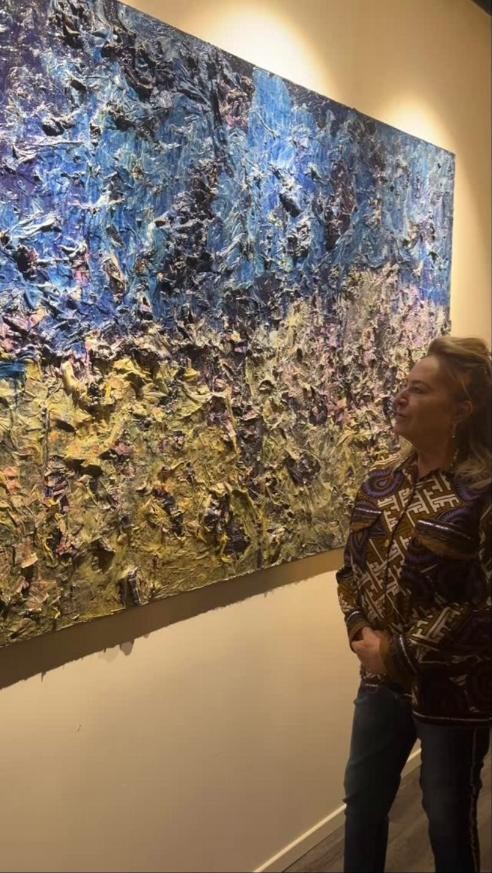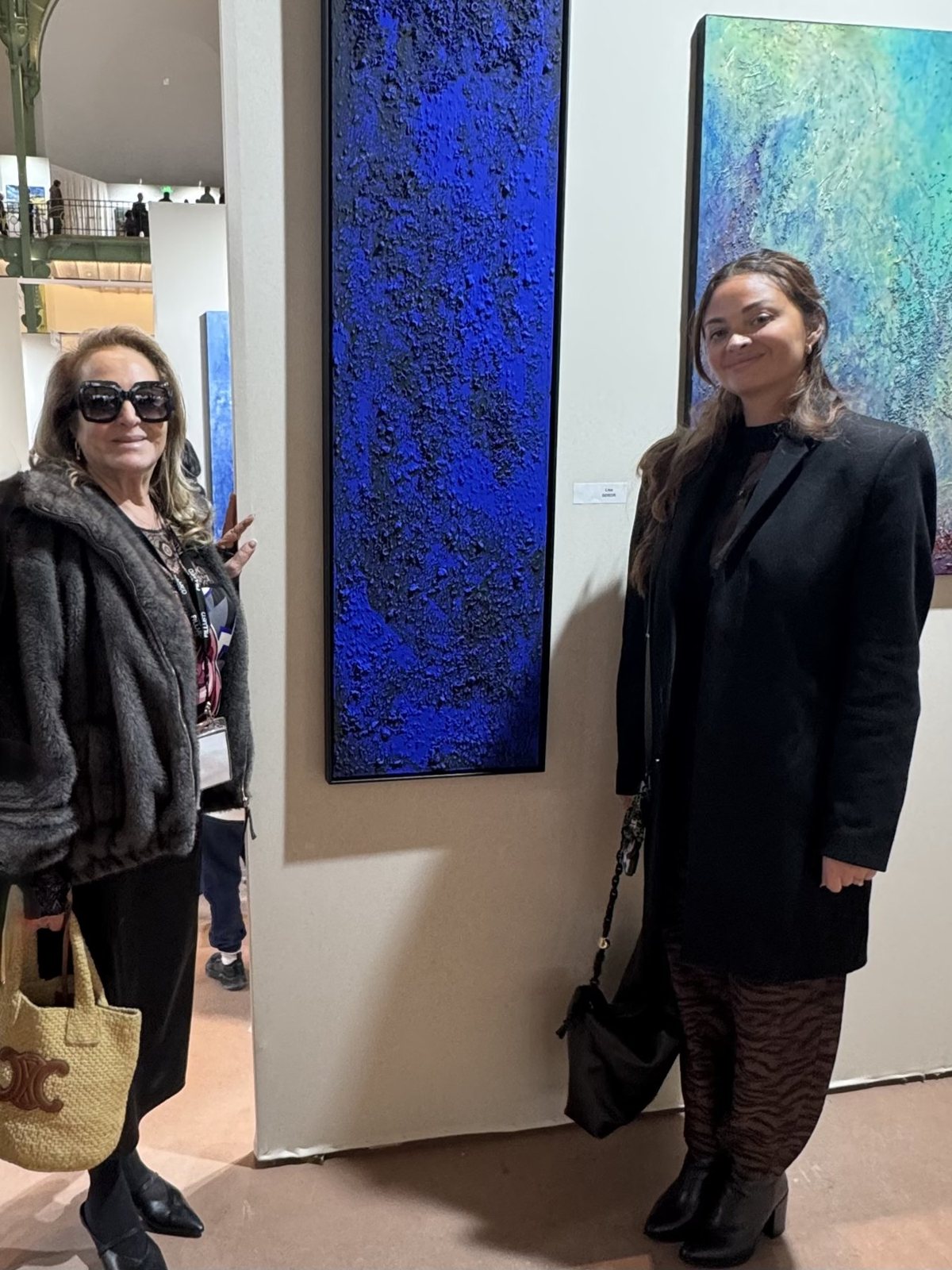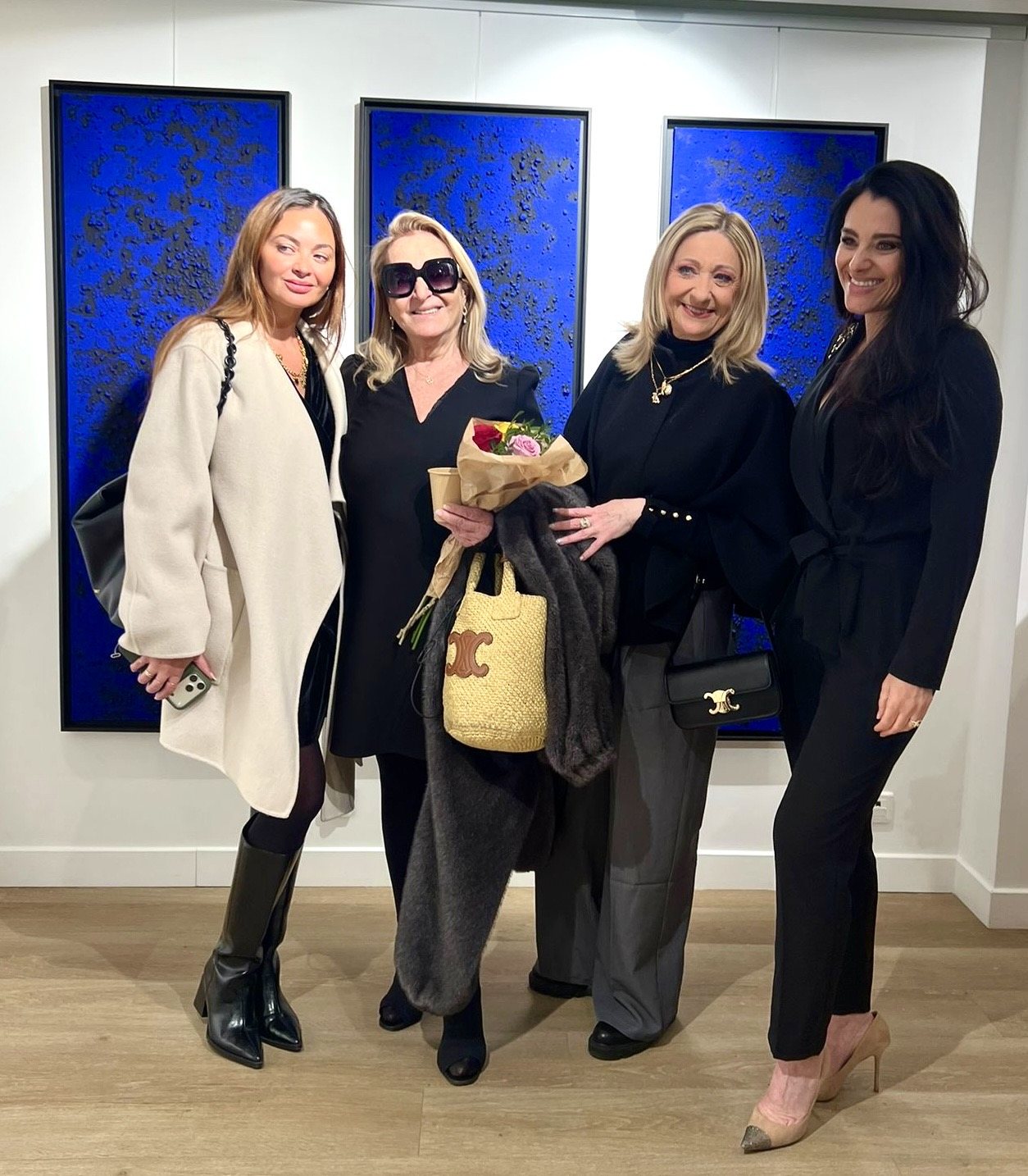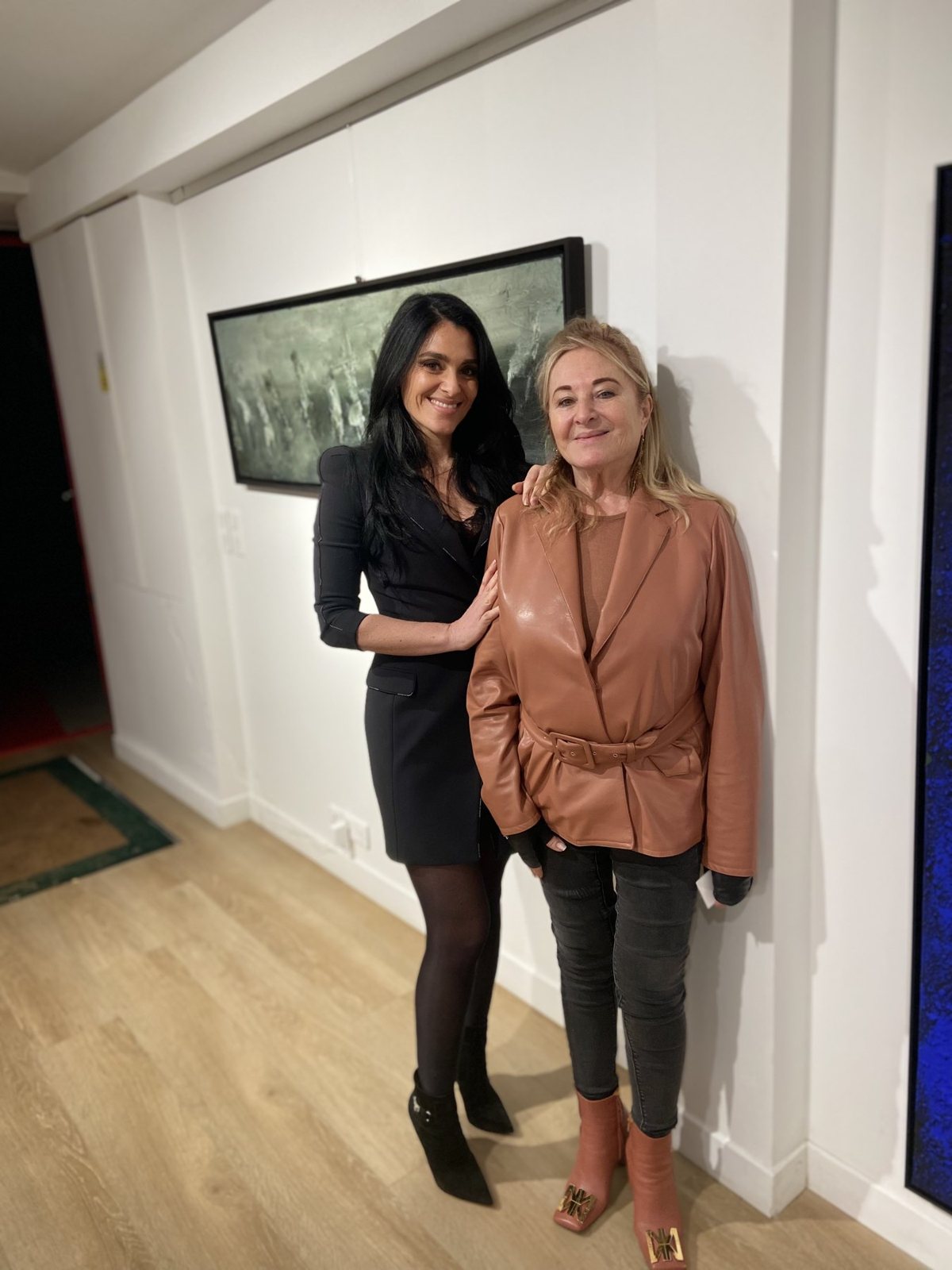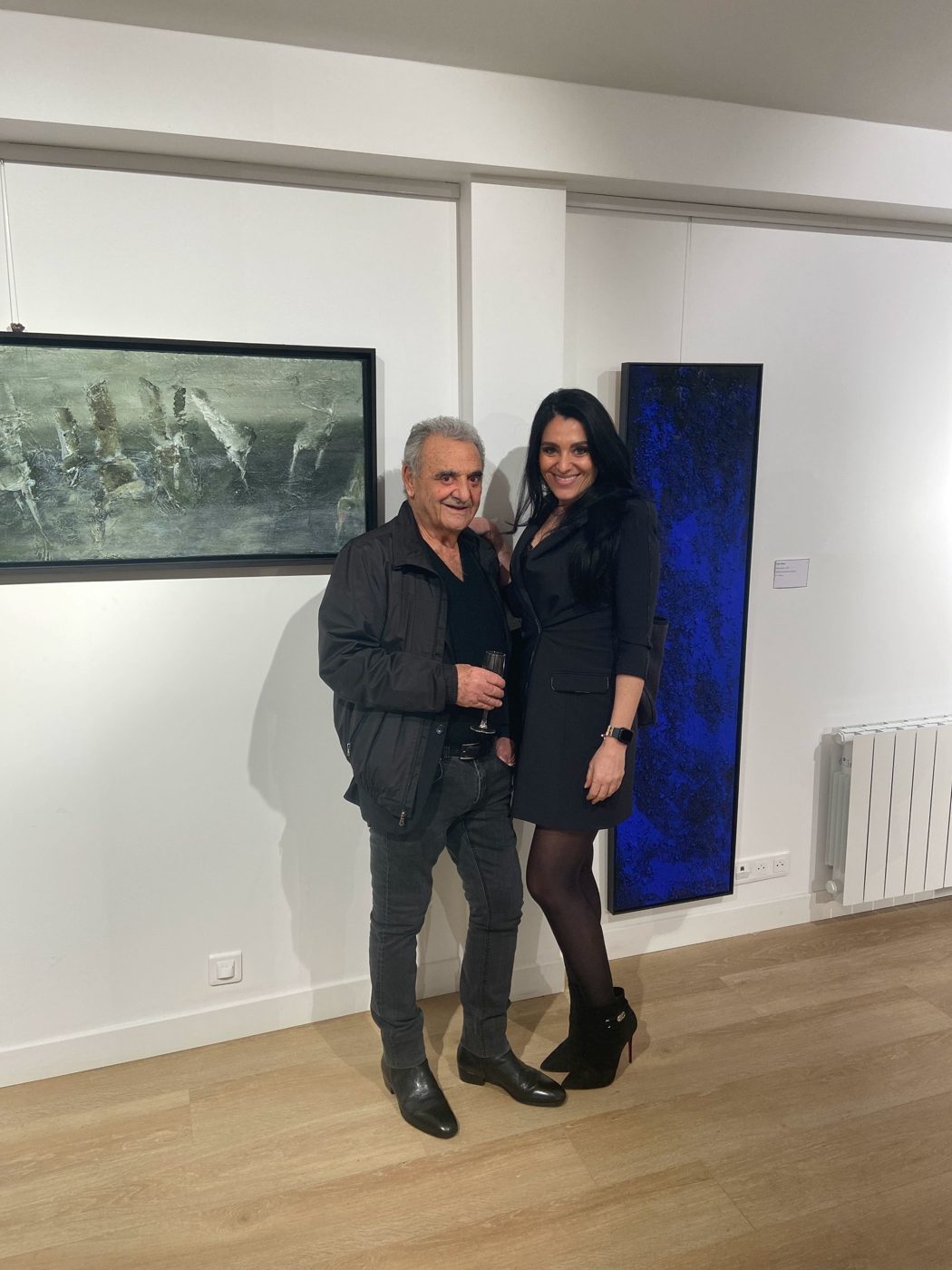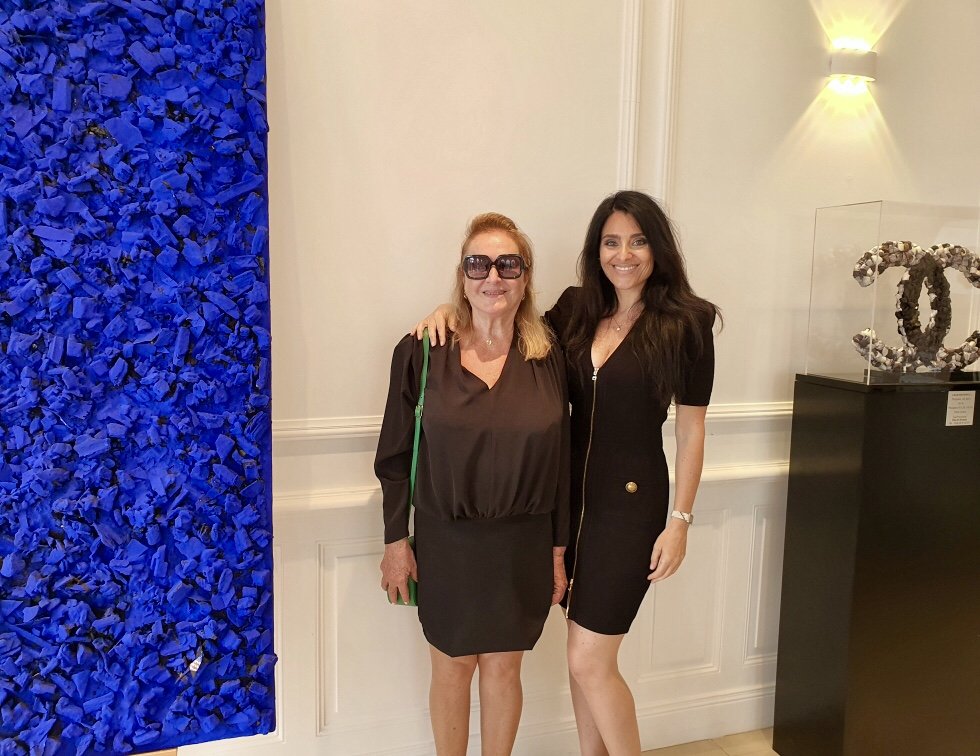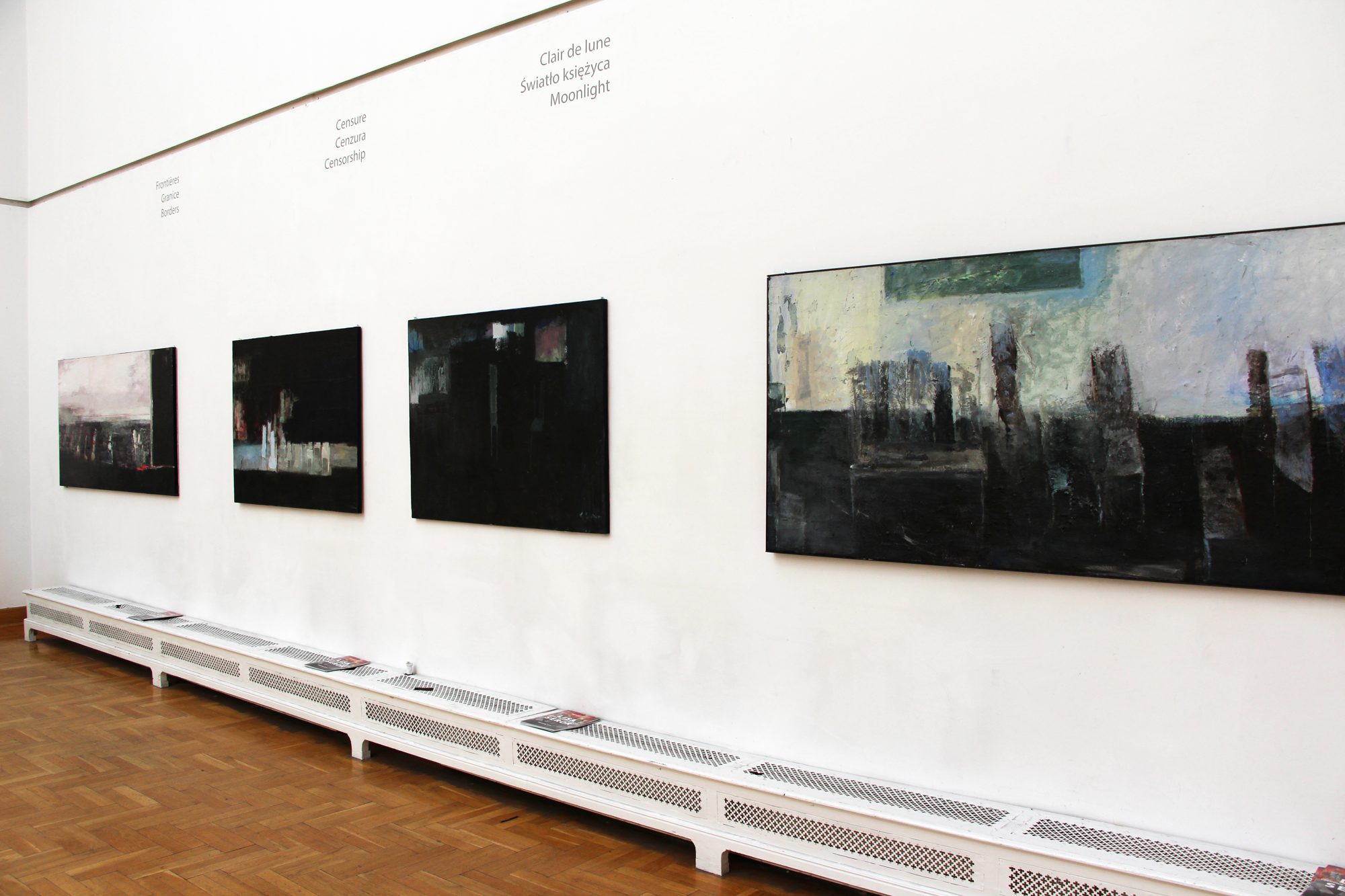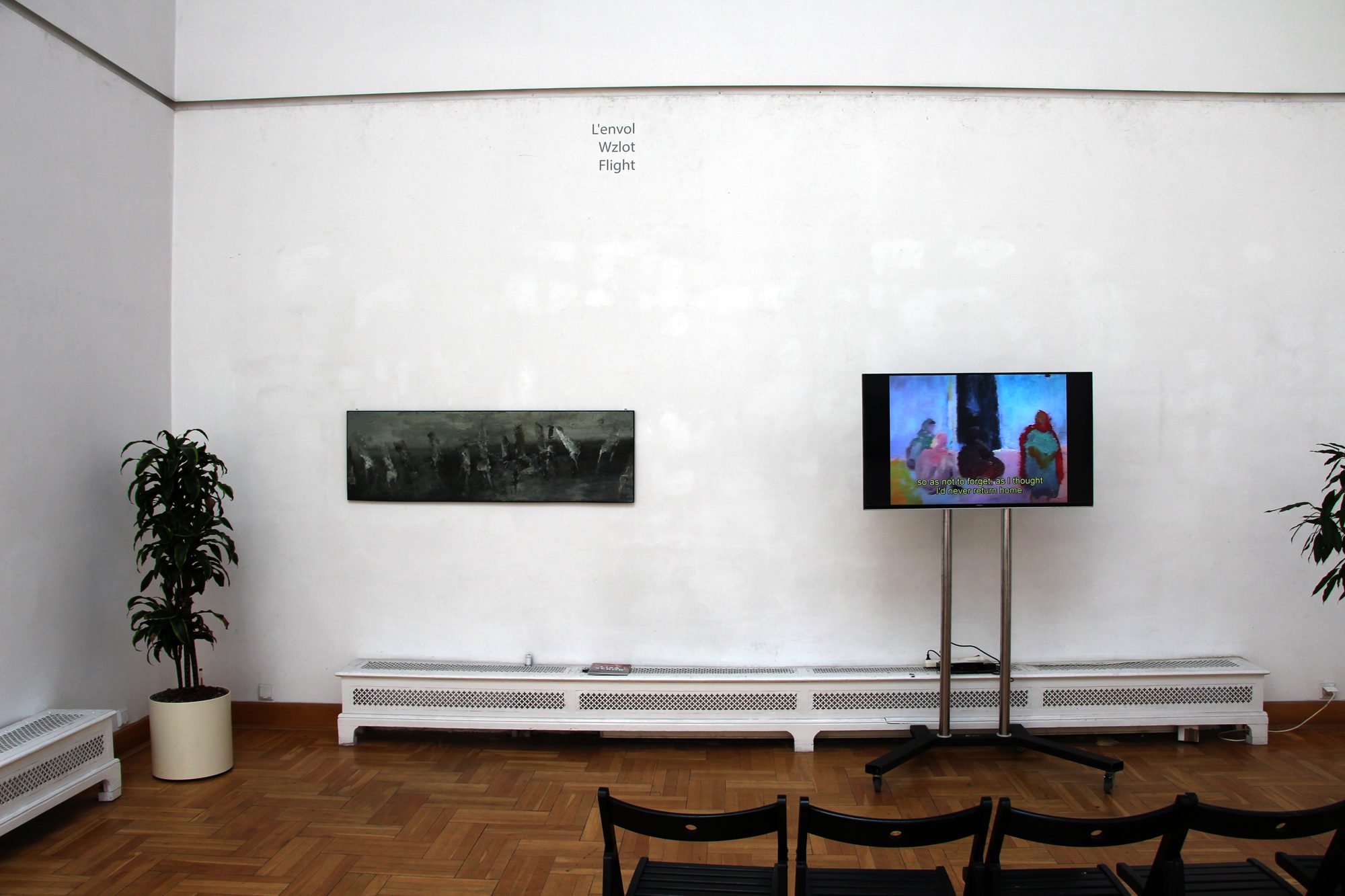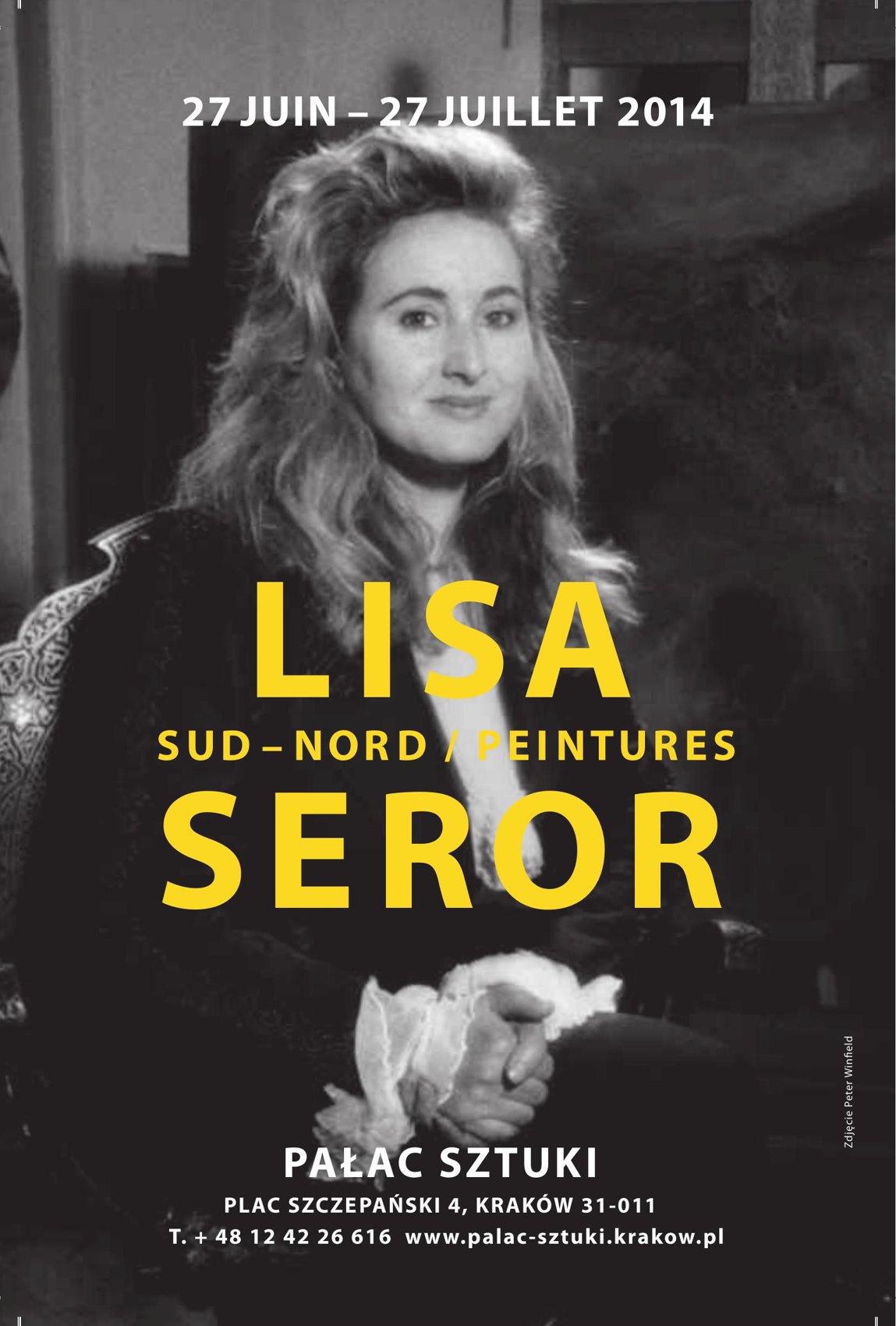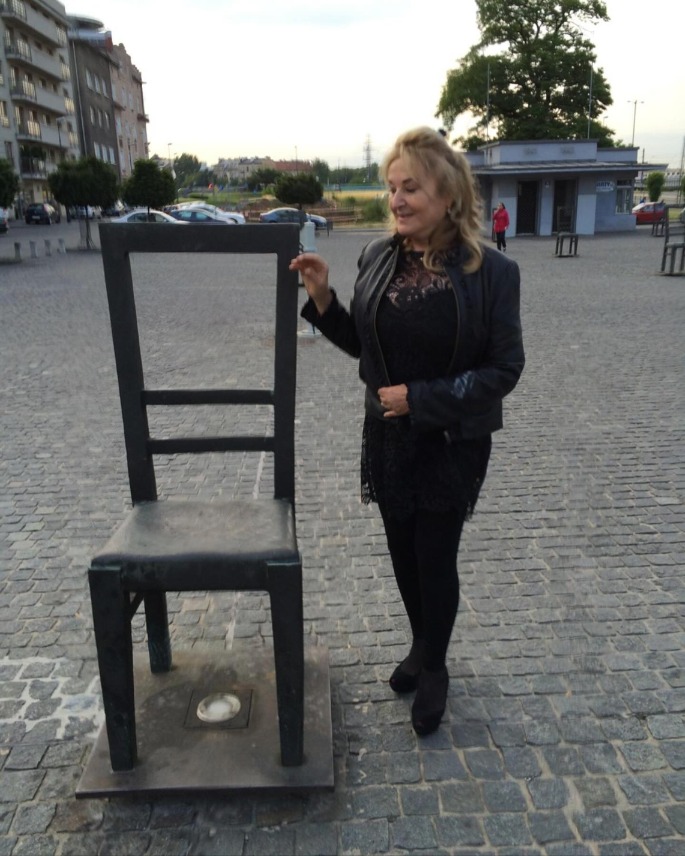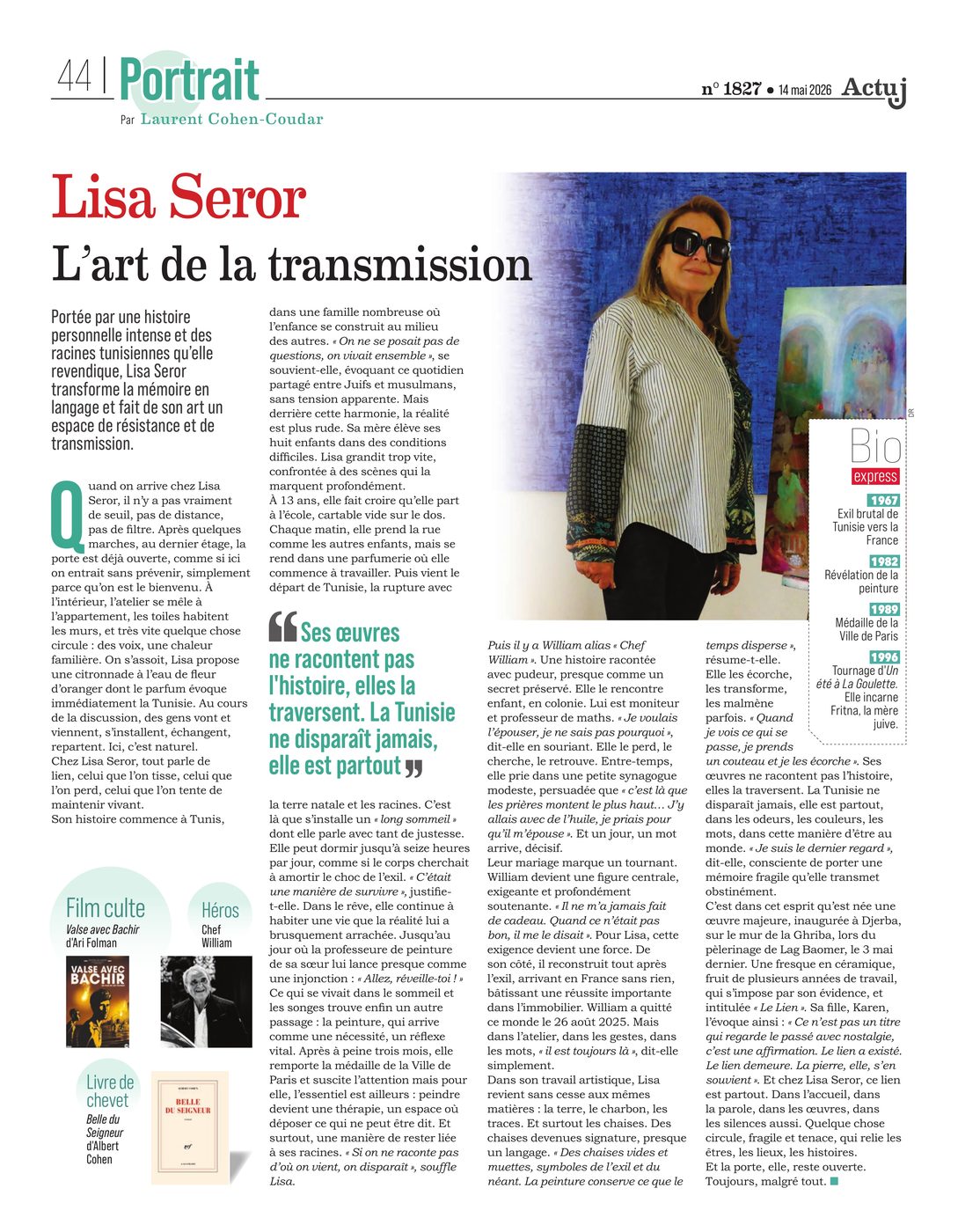
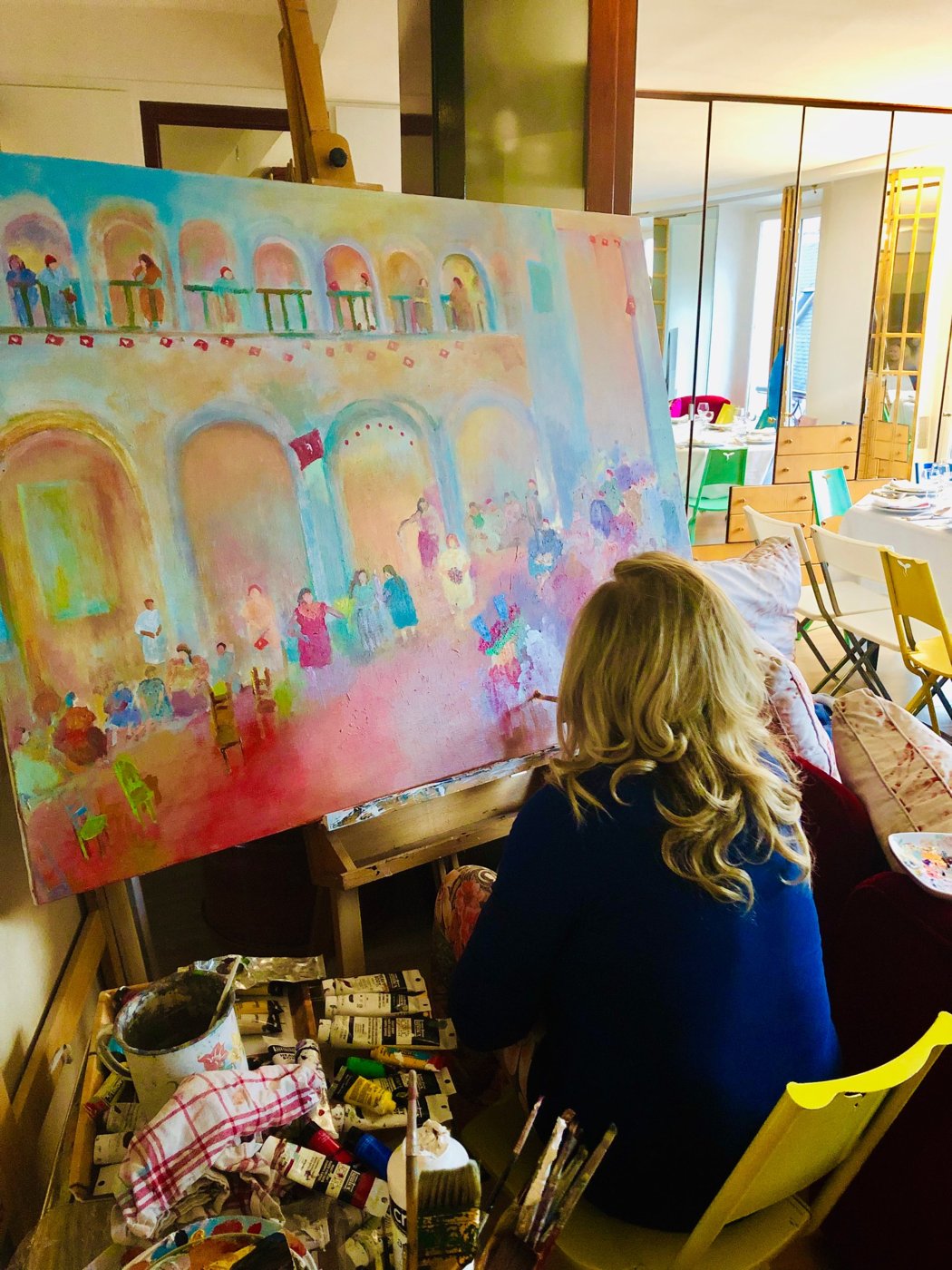
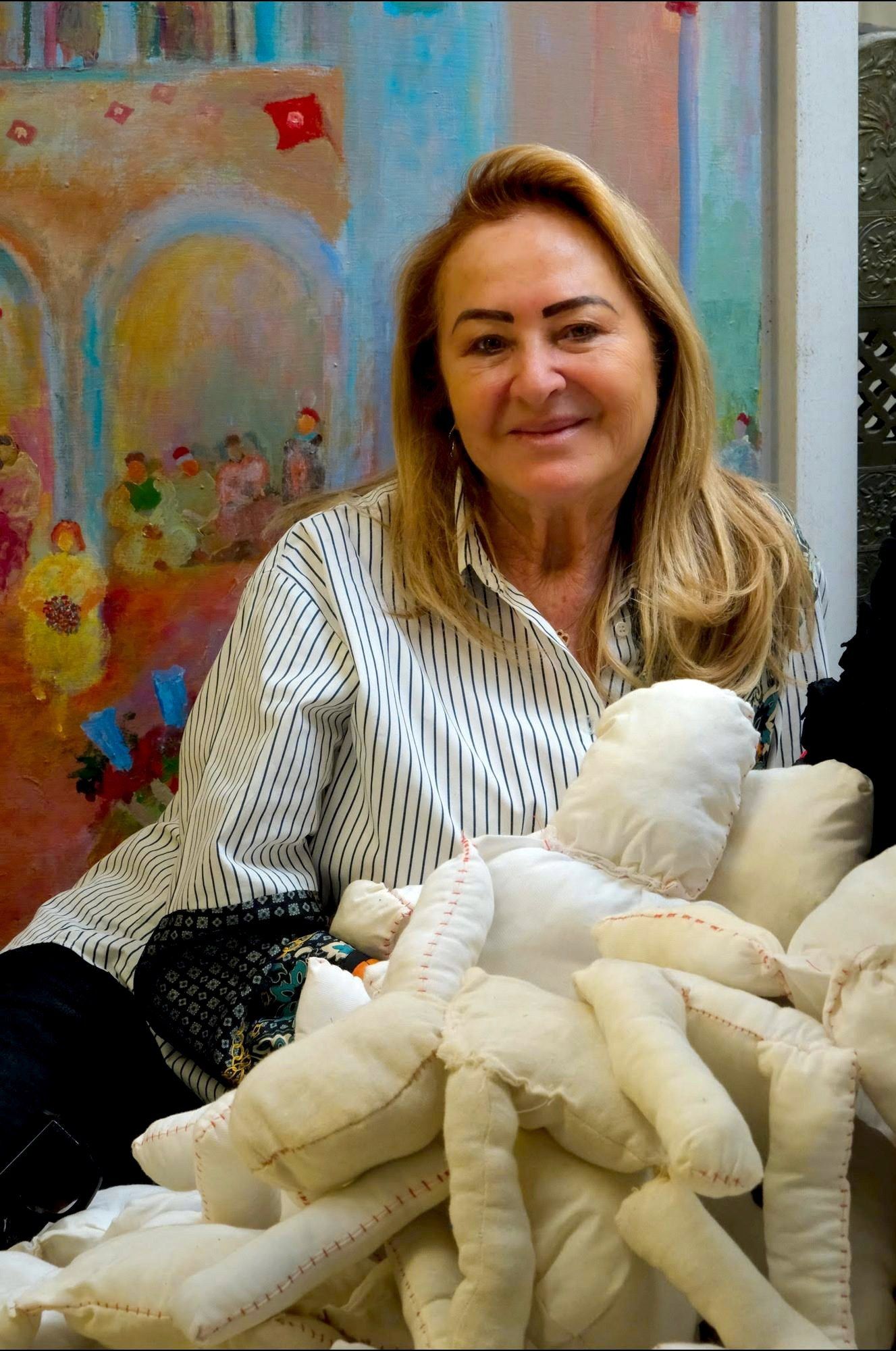
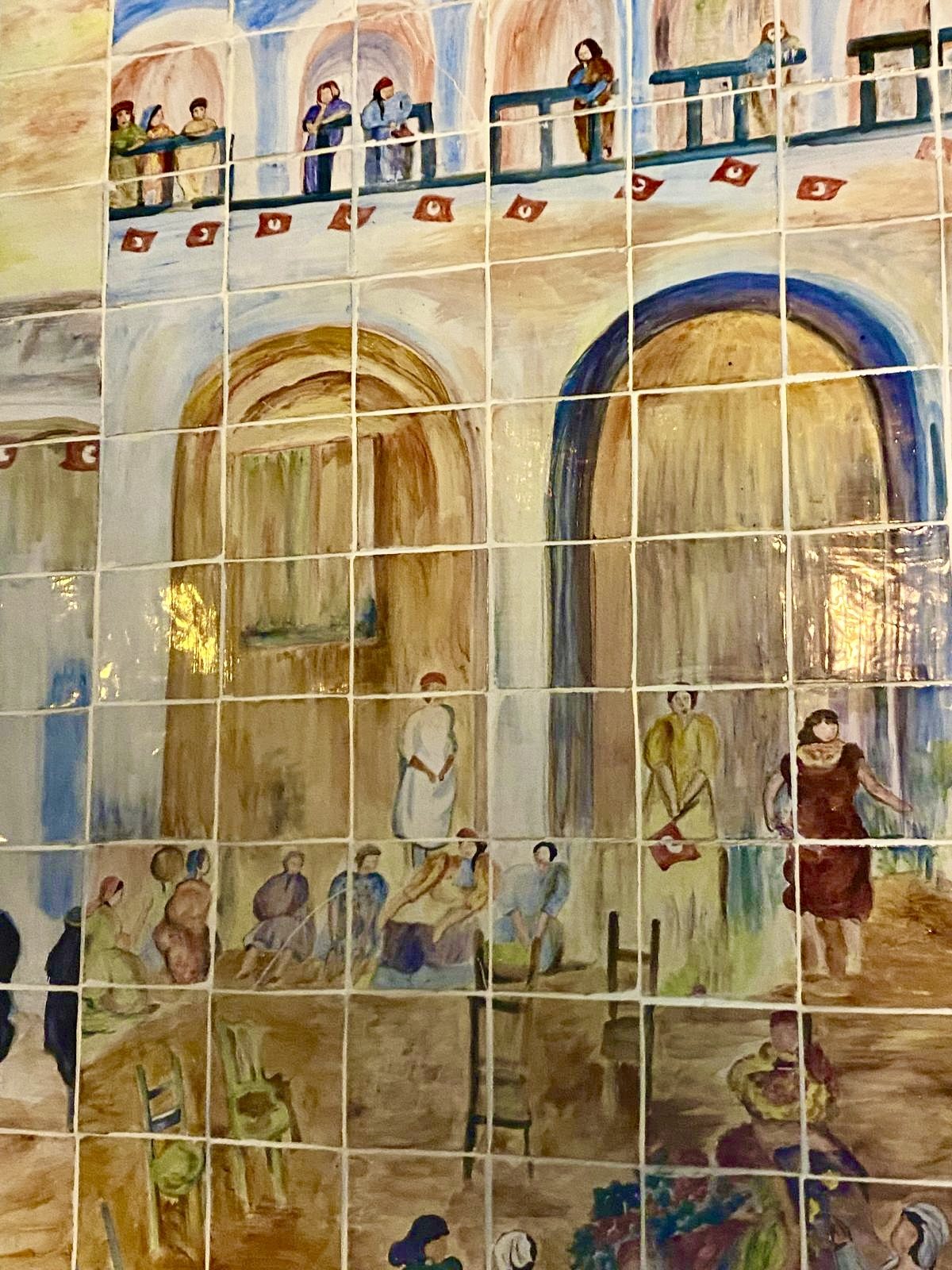


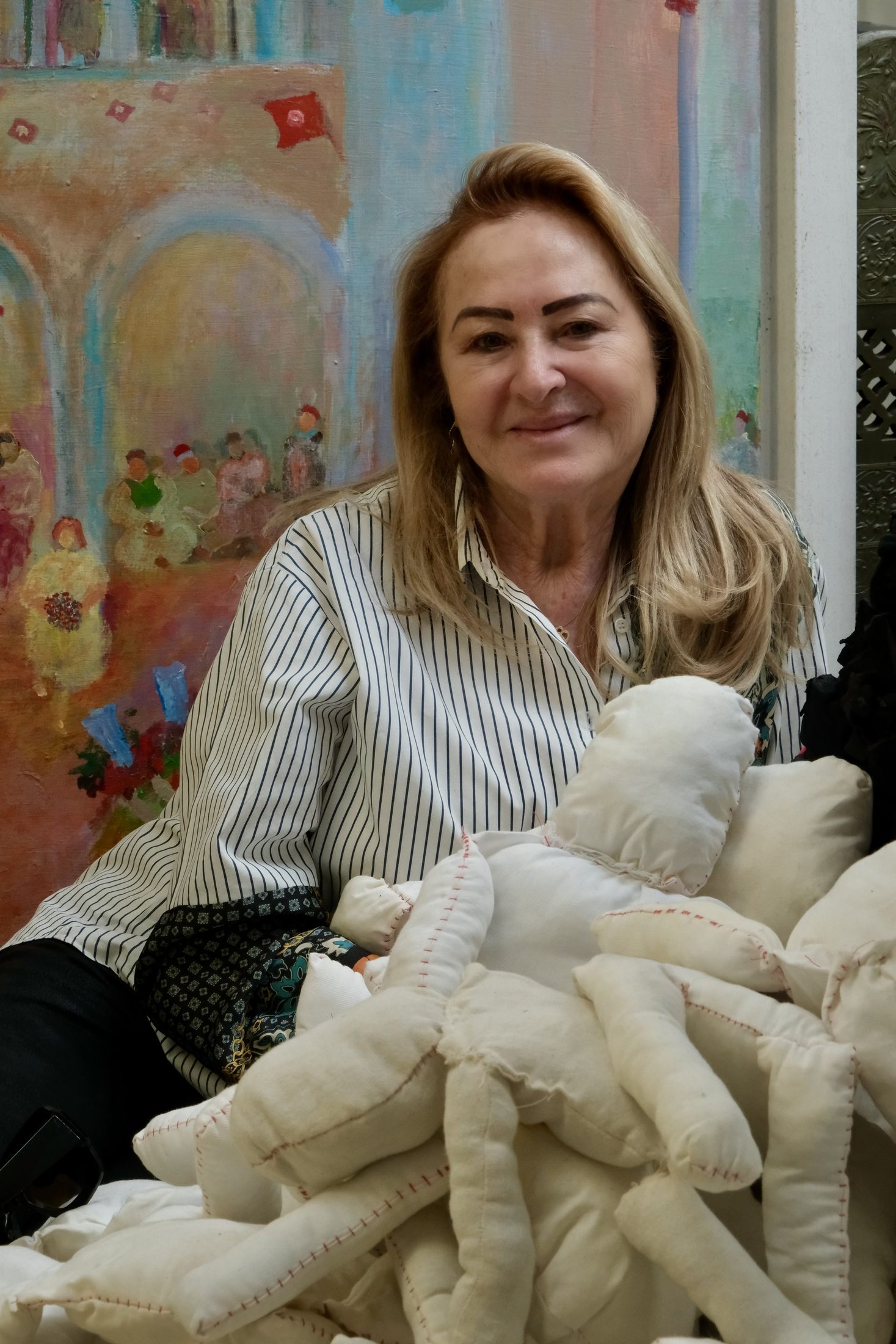
Lisa Seror in front of a painting from the Les Sucrés series
Born in Tunis
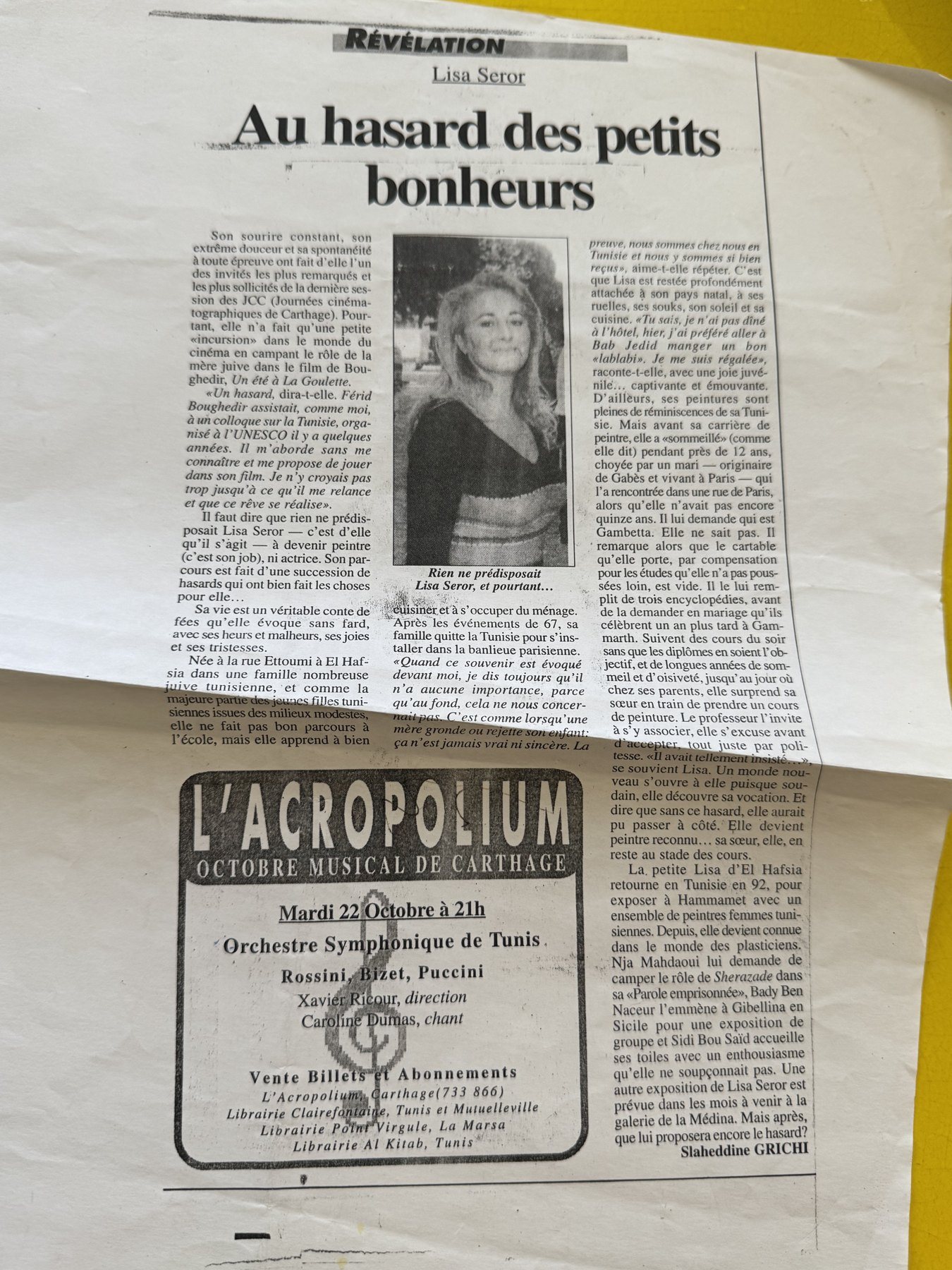
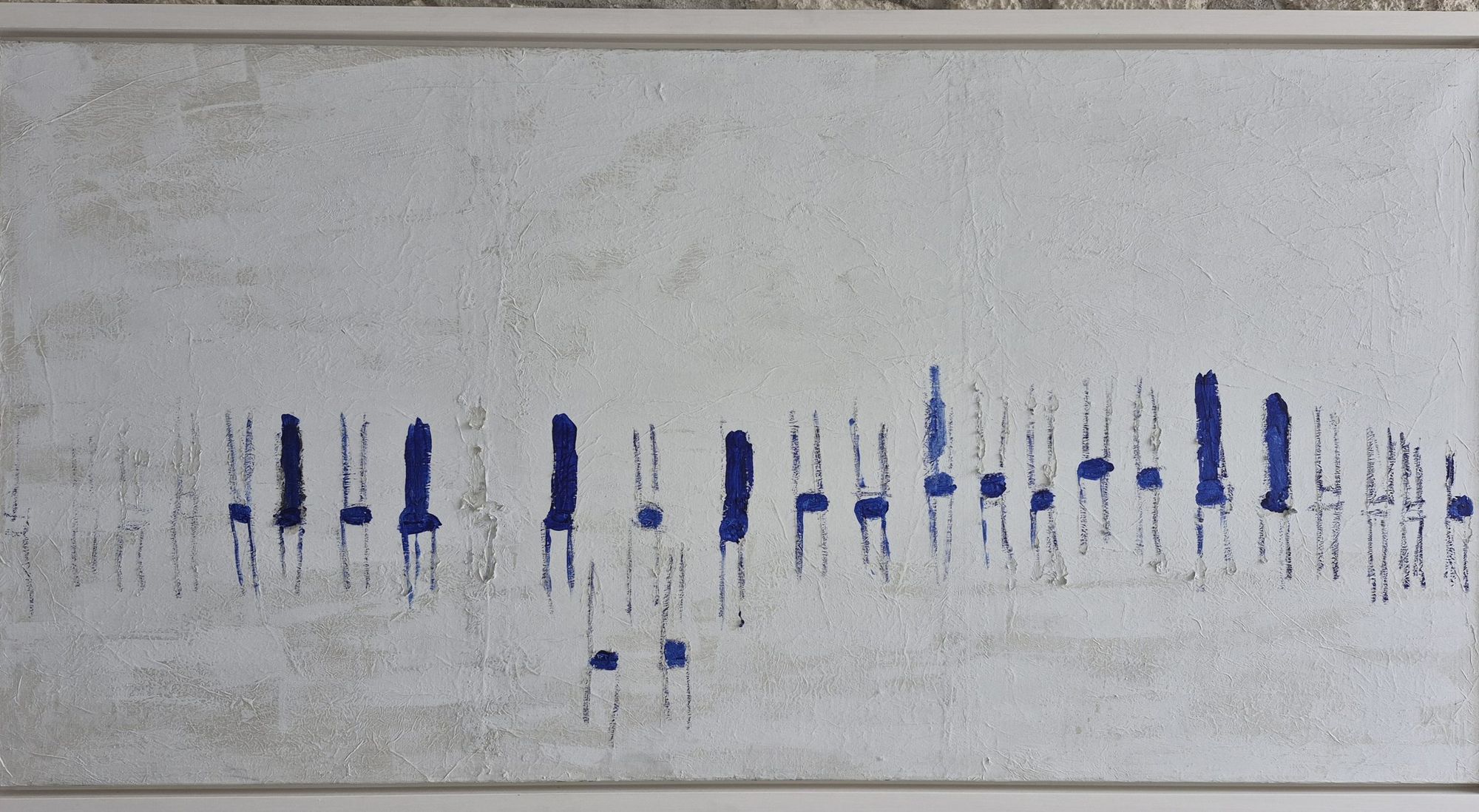
Lisa Seror was born in Tunis. Her childhood has the colour of the Mediterranean: the “Nilla” blue that whitened the laundry, the black charcoal that warmed her bedroom, the scent of jasmine. Chairs on doorsteps, offered to conversation, between neighbours, between relatives, between communities.
My country left me
In the wake of the Six-Day War, she had to leave in haste, at thirteen. This departure was not a choice. She did not leave her country: her country left her. The documentary Mon pays m'a quittée (My Country Left Me, Karin Albou and Emil Weiss, 1995) carries this reversal.
“I am a tree that someone tried to transplant.”
Lisa Seror
Fifteen years of silence, then painting
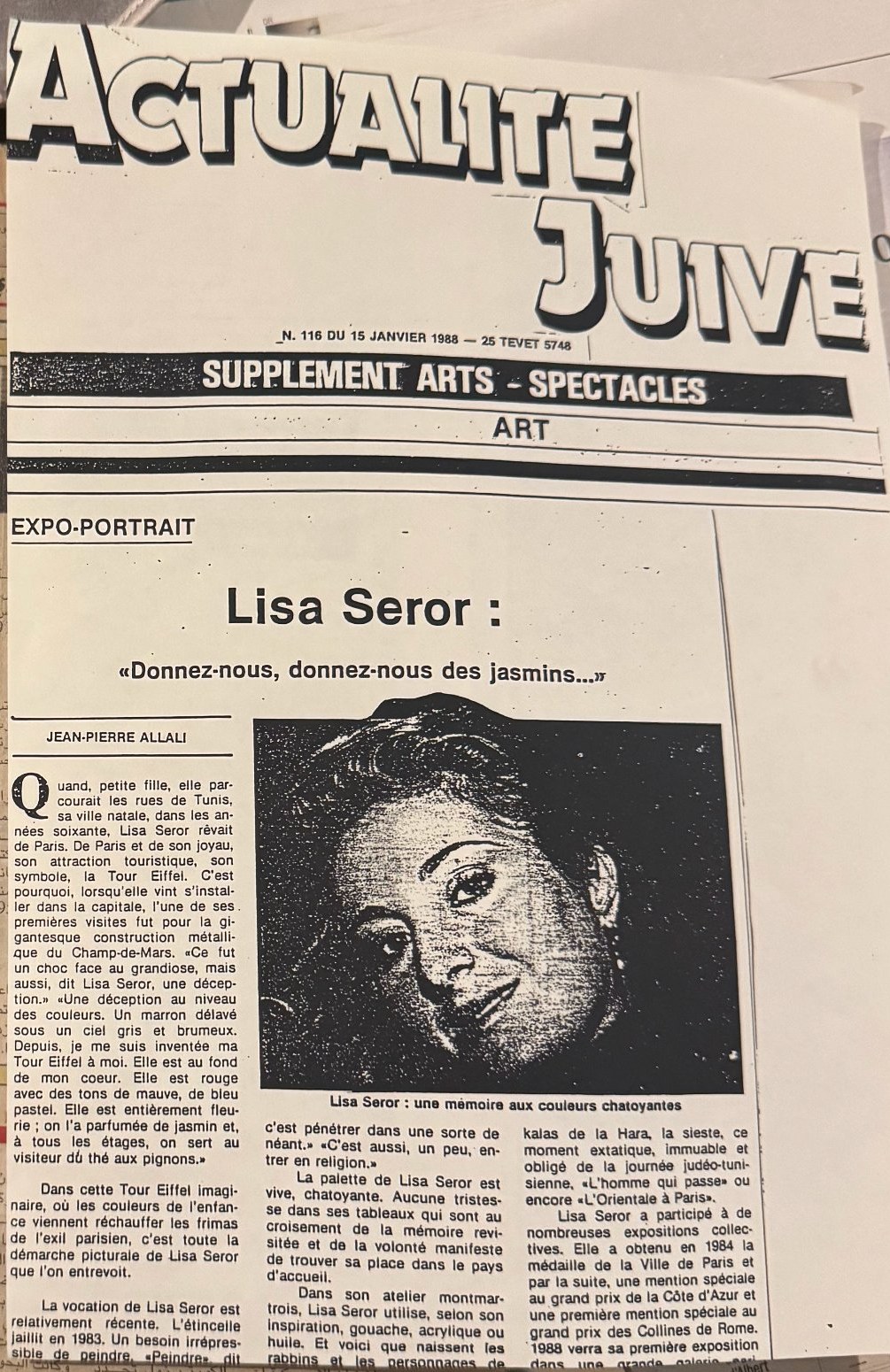
In Paris, the girl of the sun discovers a grey existence. Fifteen years of silence, which she describes as a long sleep. Then, in the 1980s, with no artistic training at all, she picks up a brush. And is reborn. Painting is her outlet: the muffled cry of those silent years finally finding a voice.
She becomes “Lisa d'Enfrance”, the girl who must learn to live under a grey sky after growing up under the Mediterranean sun.
“…nothingness seizes me, wraps me in this canvas which is my only homeland.”
Lisa Seror
Five traces, one weave
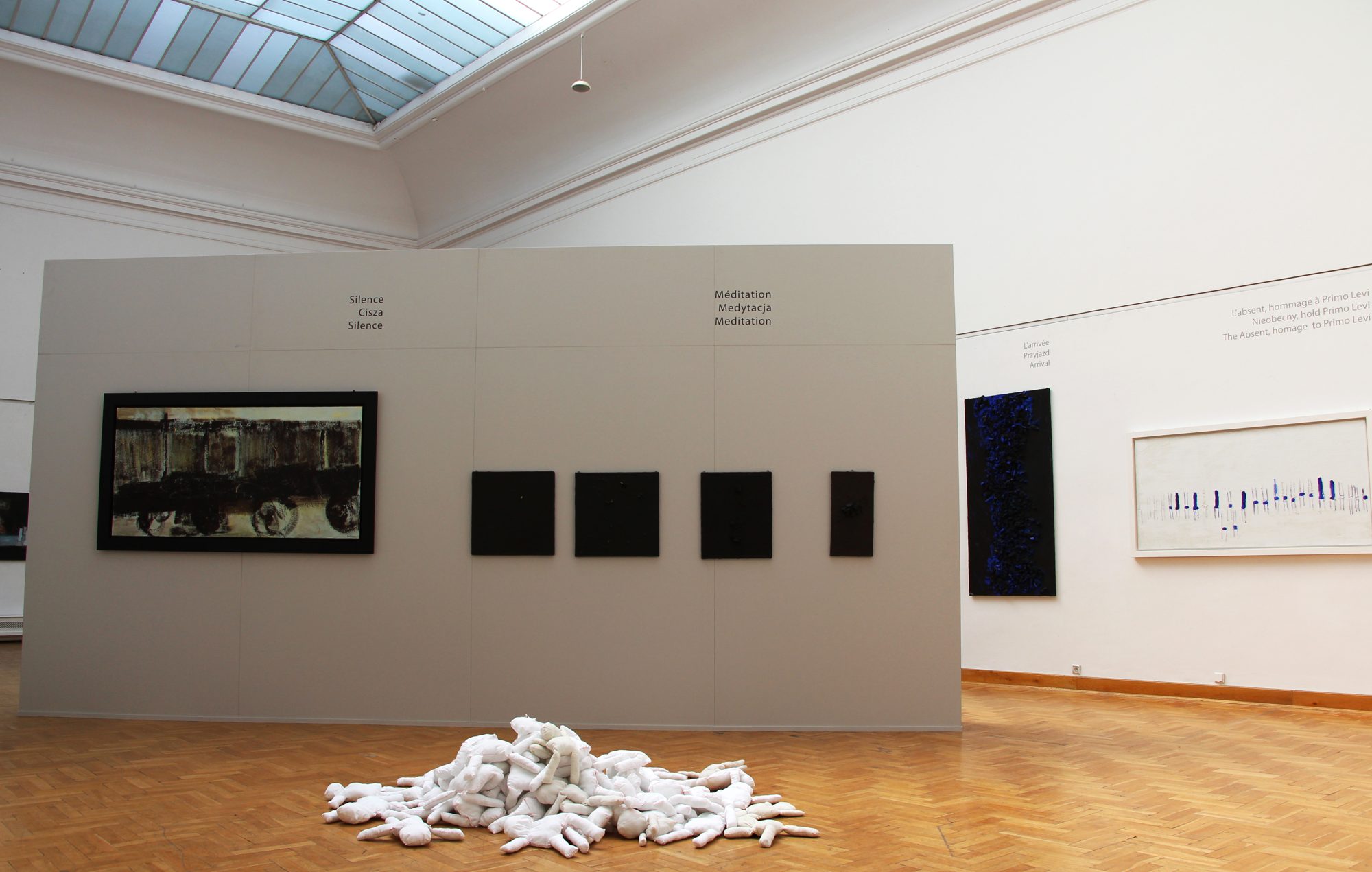
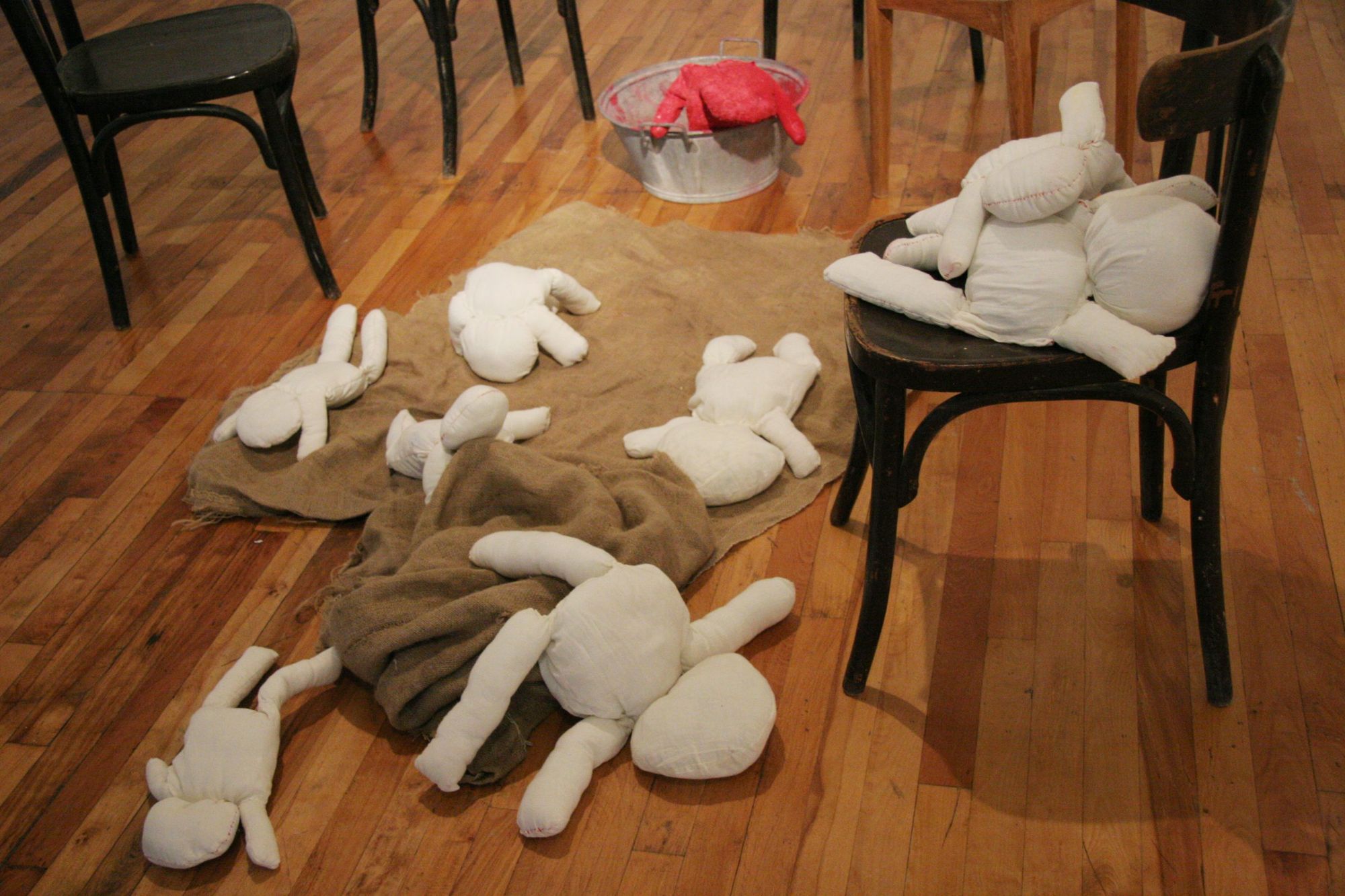
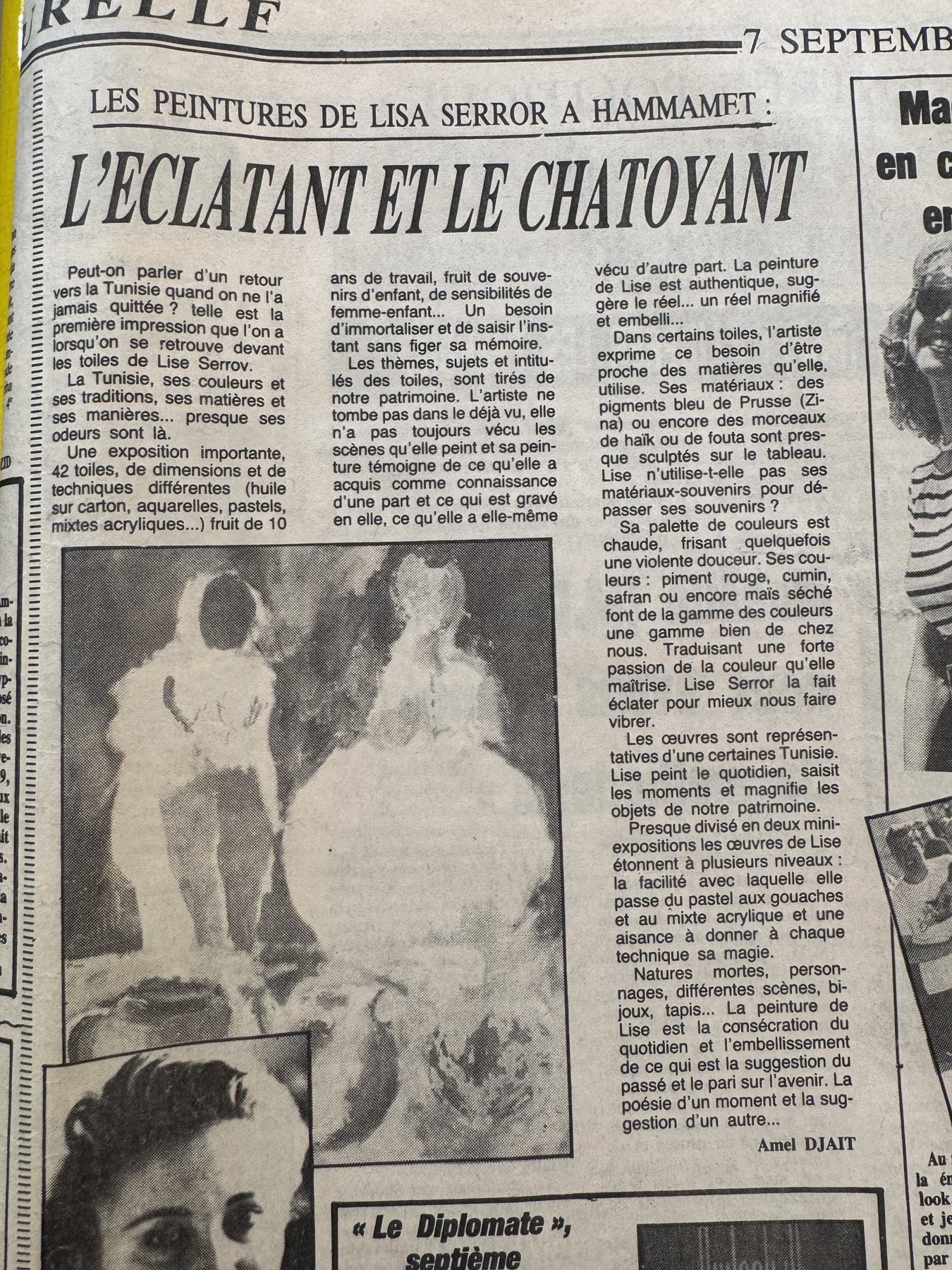
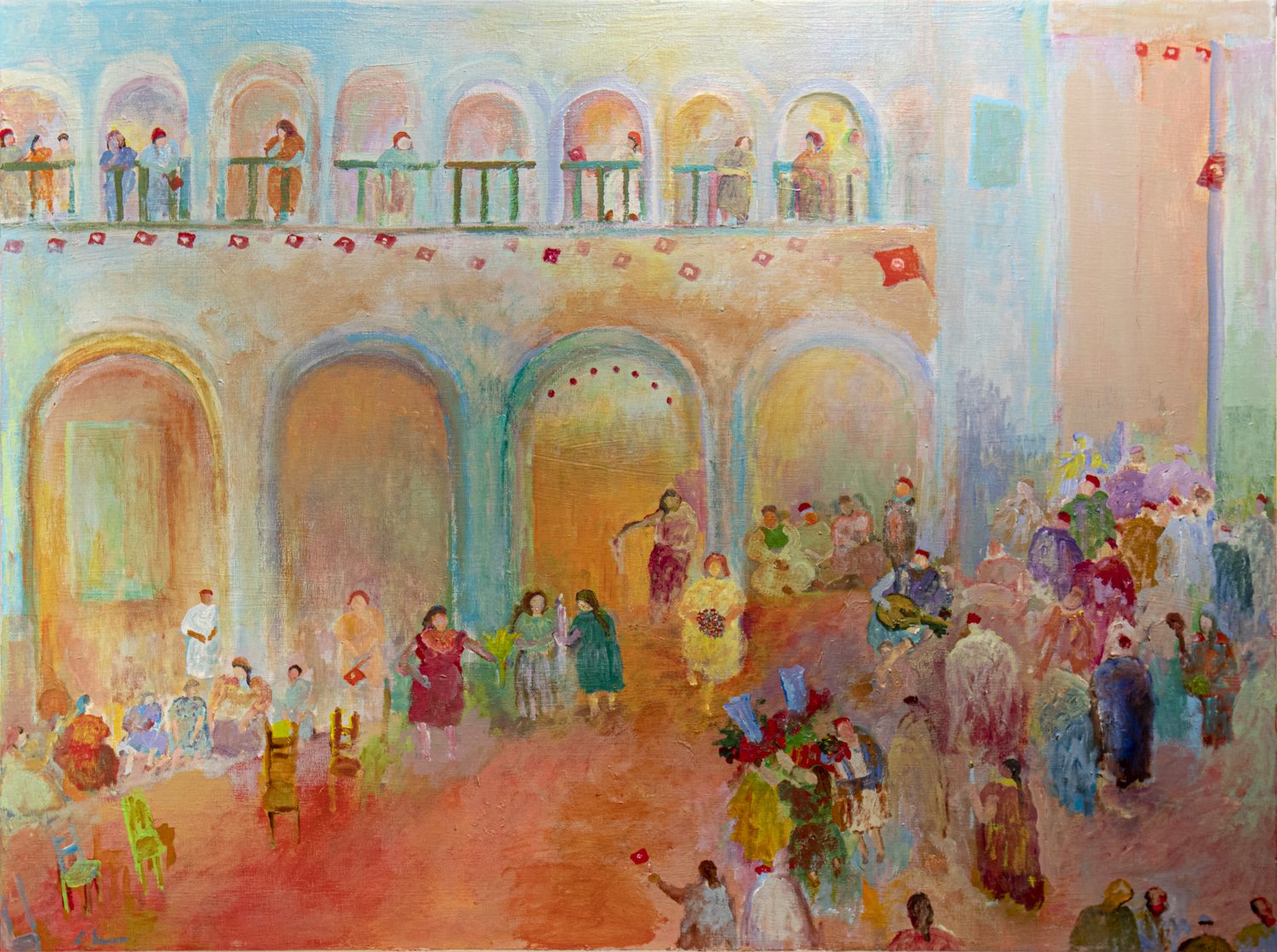
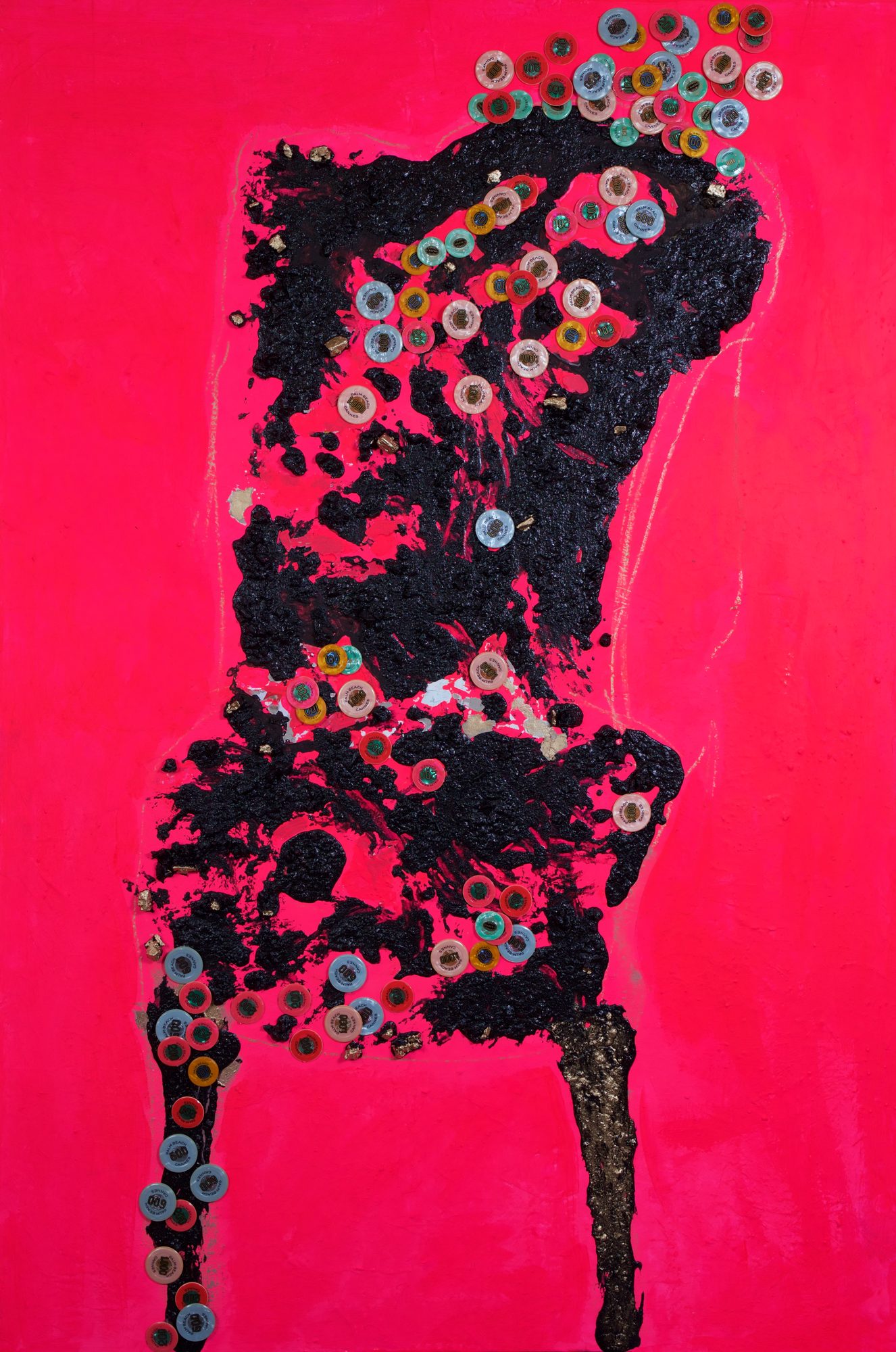
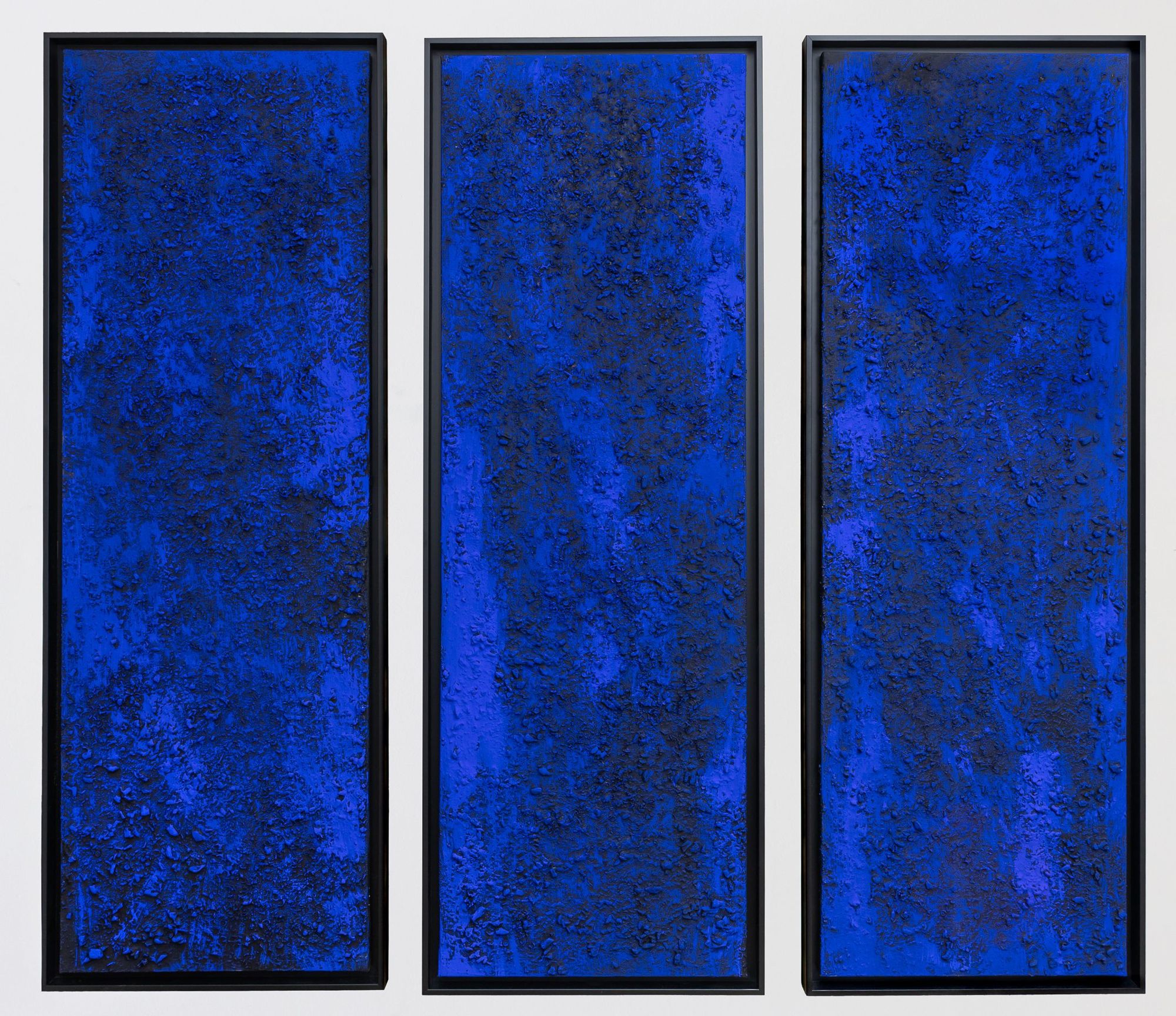
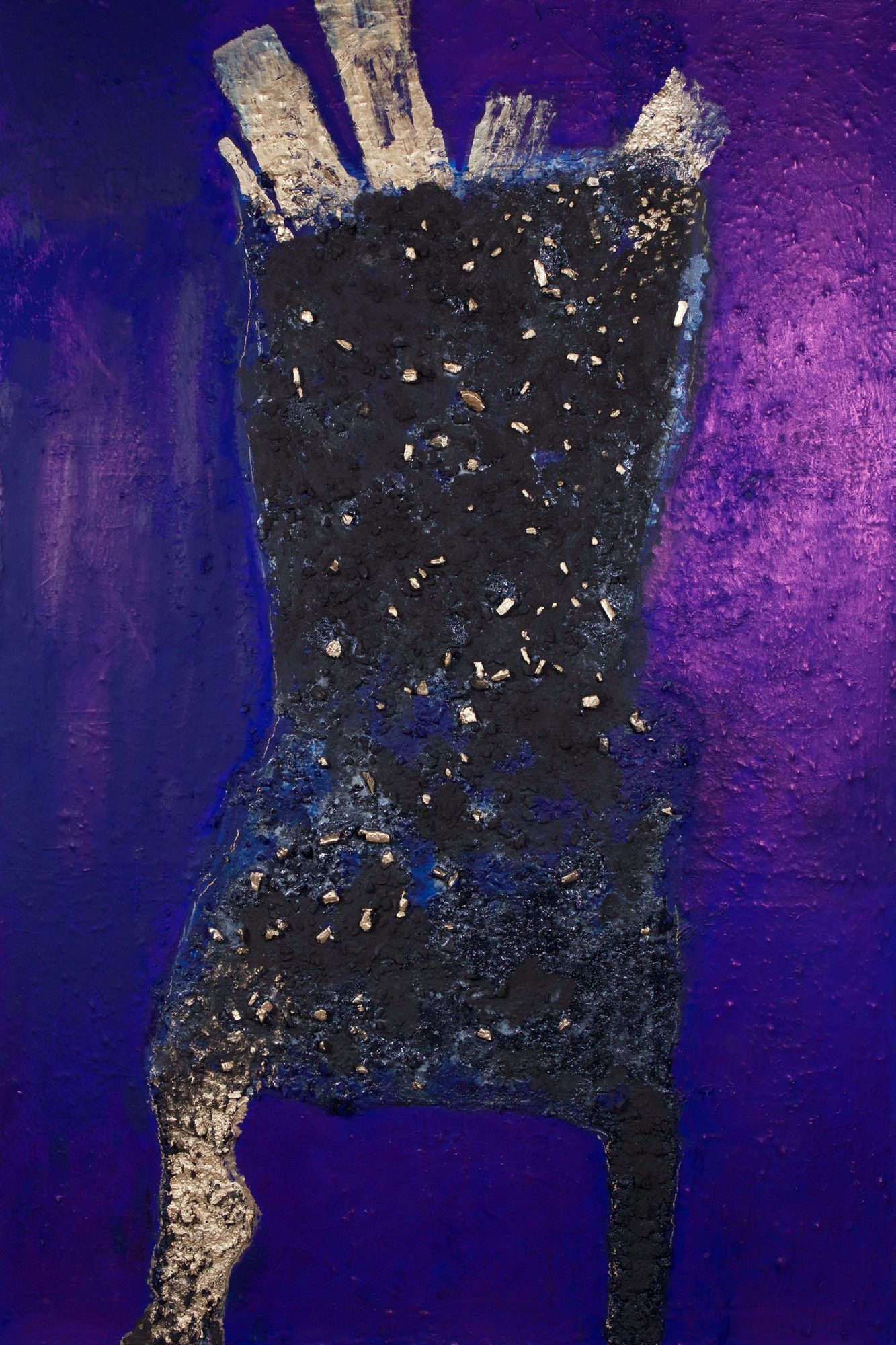
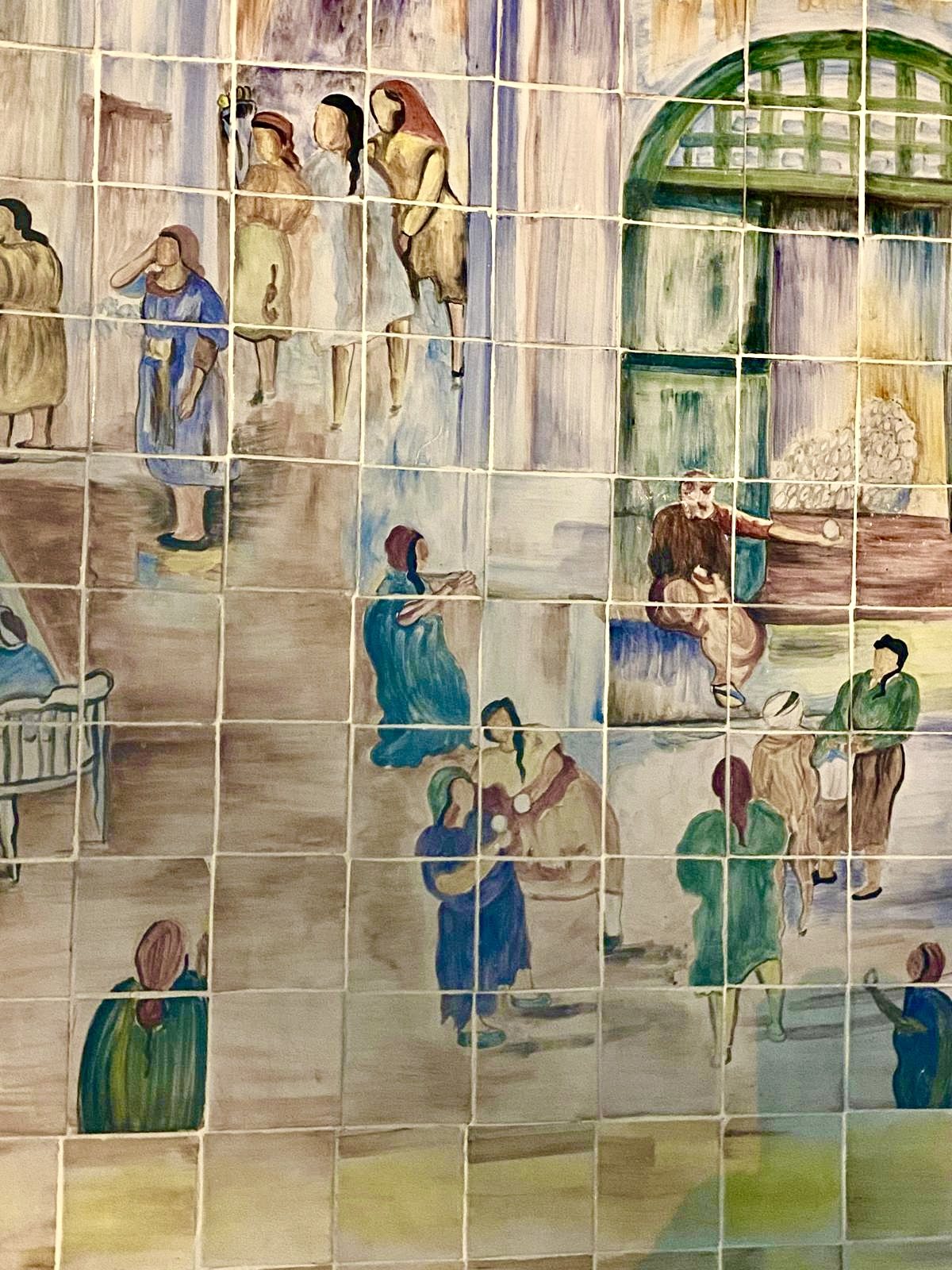
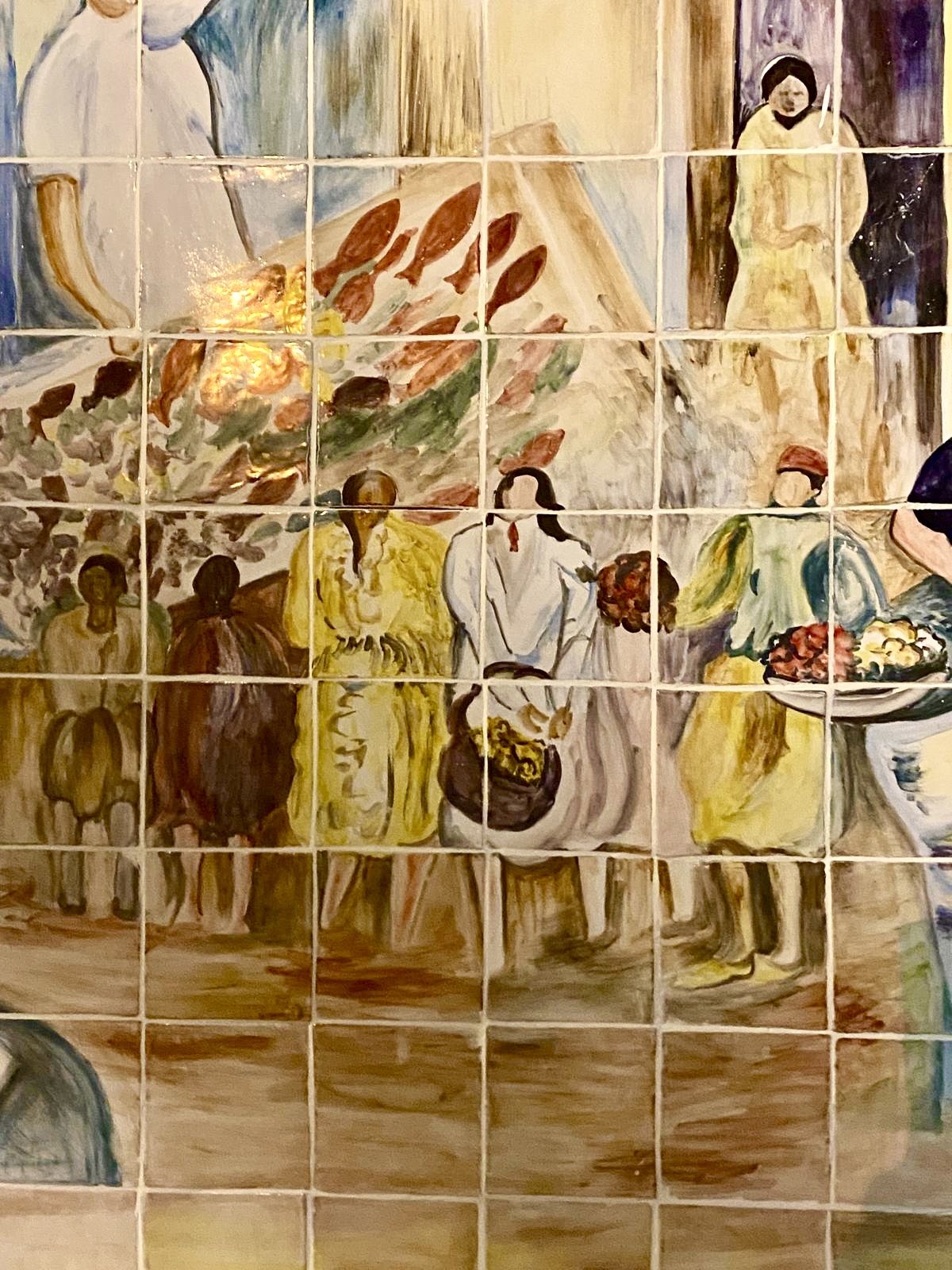
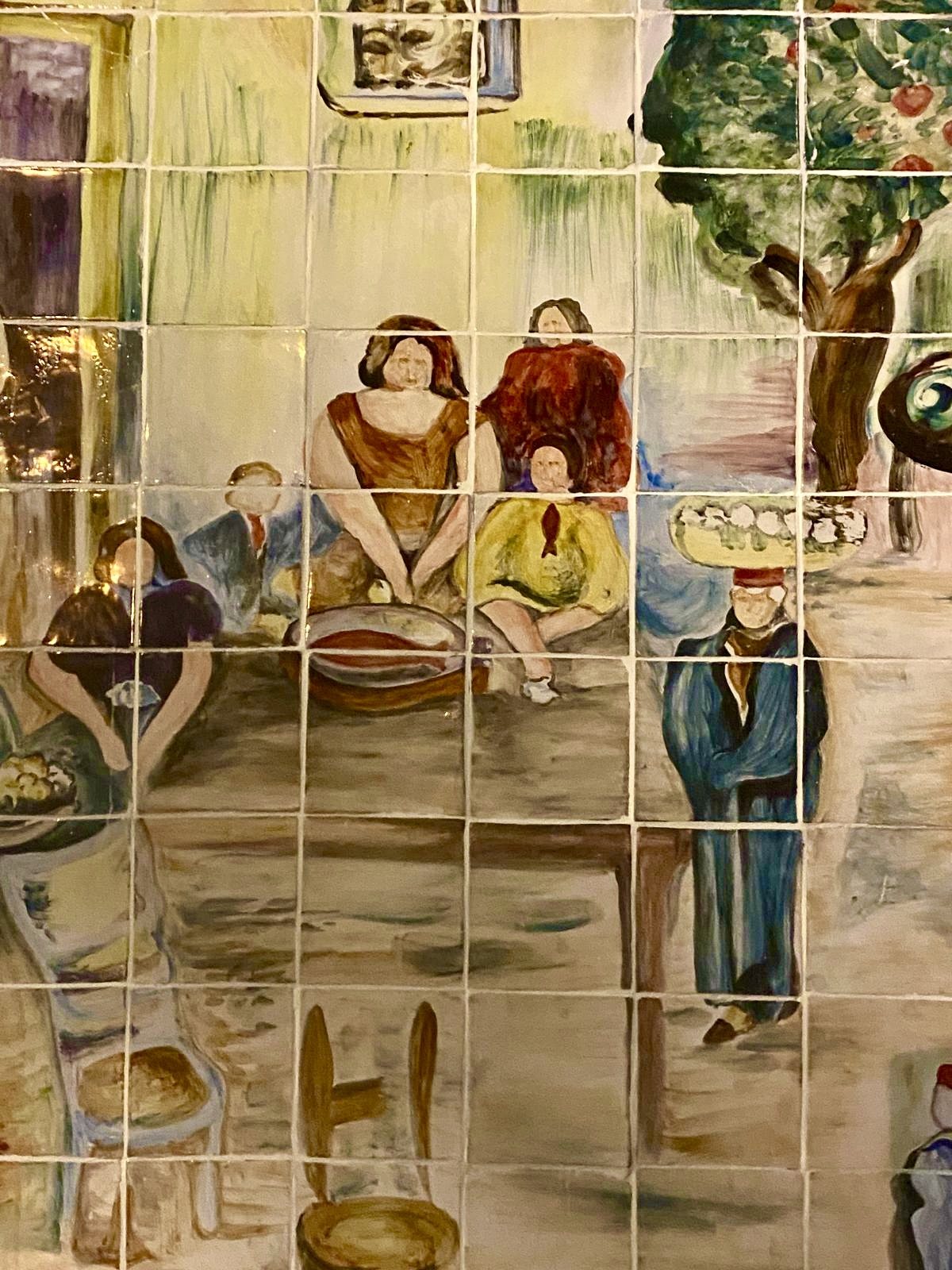
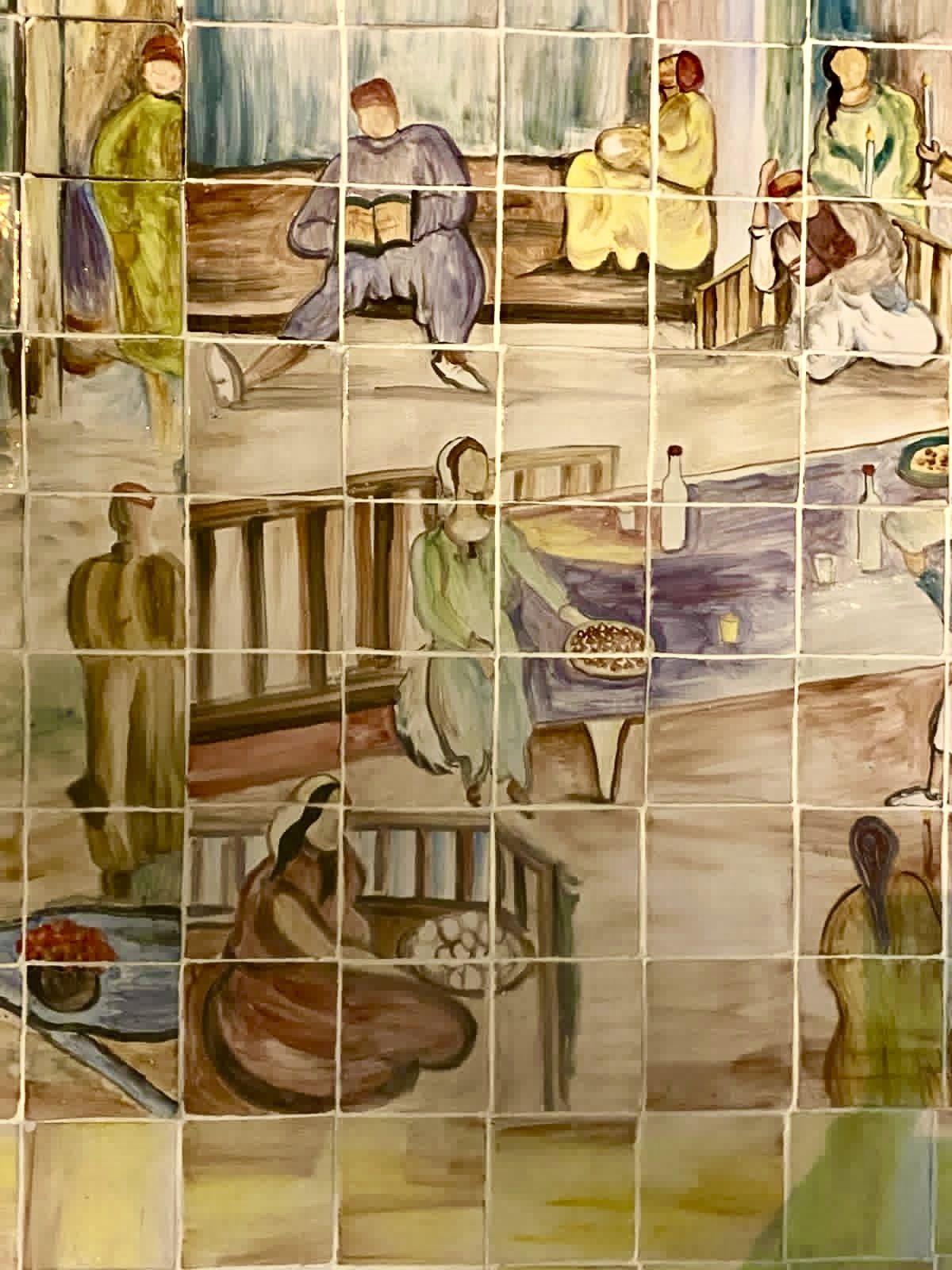
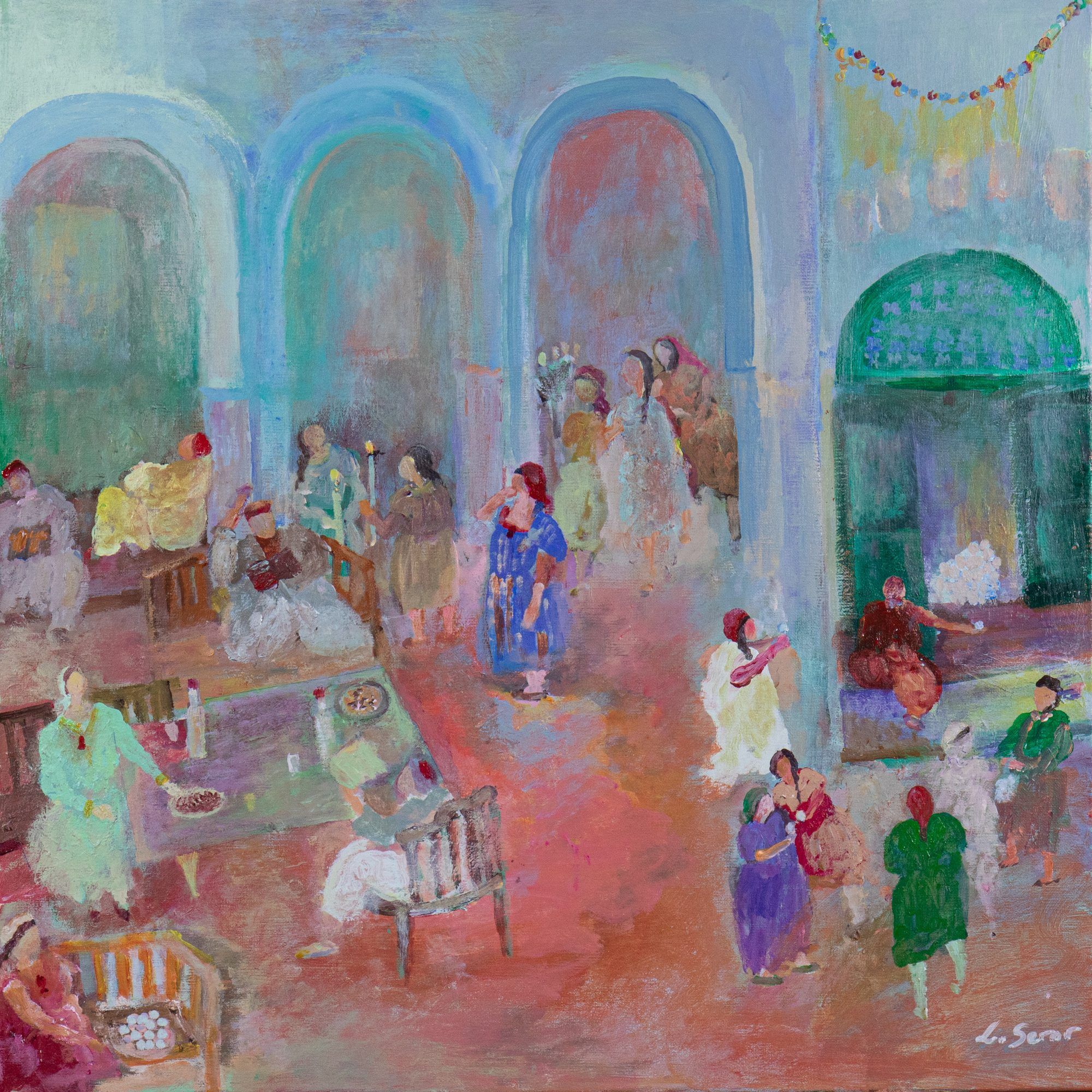
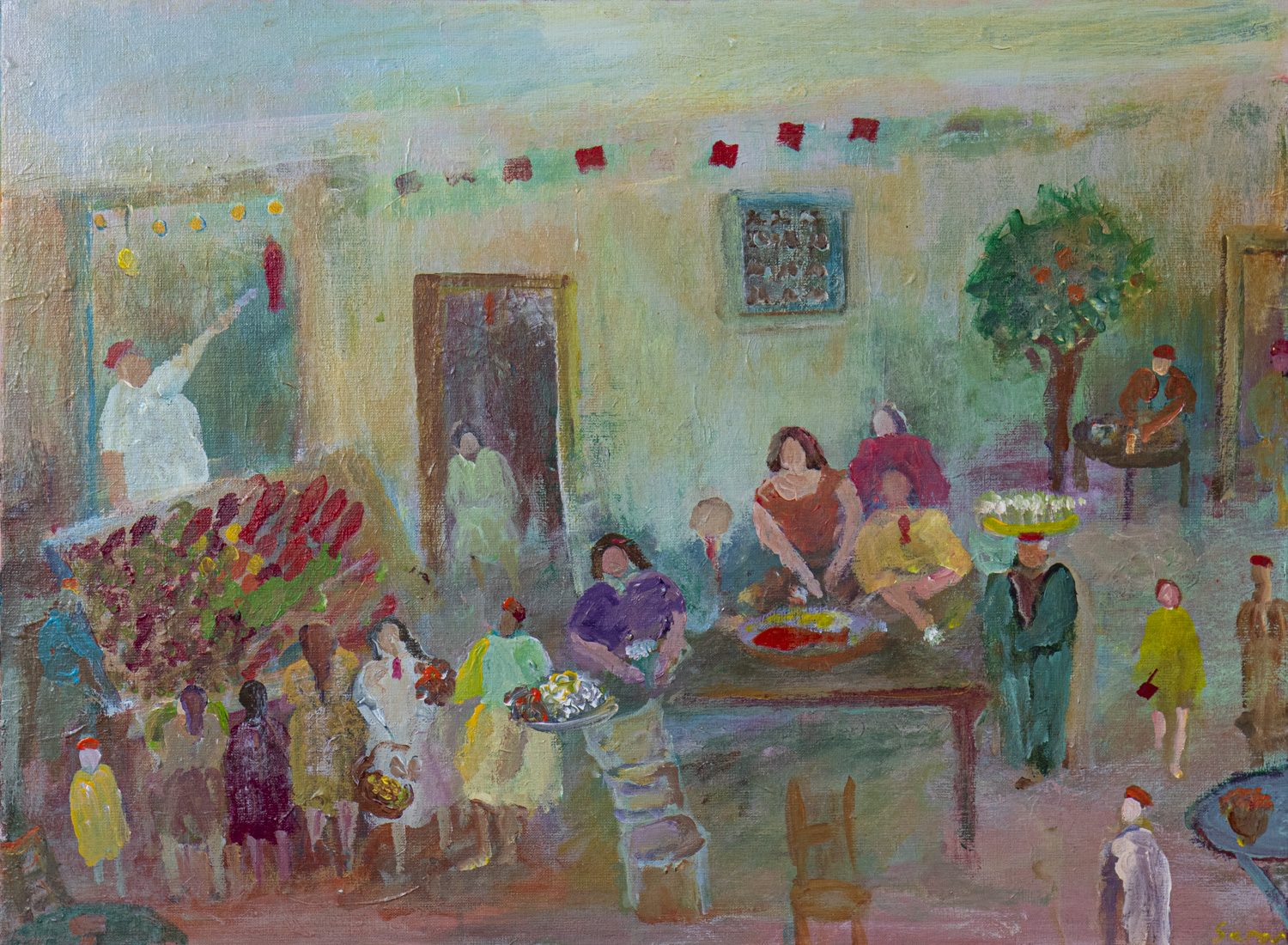
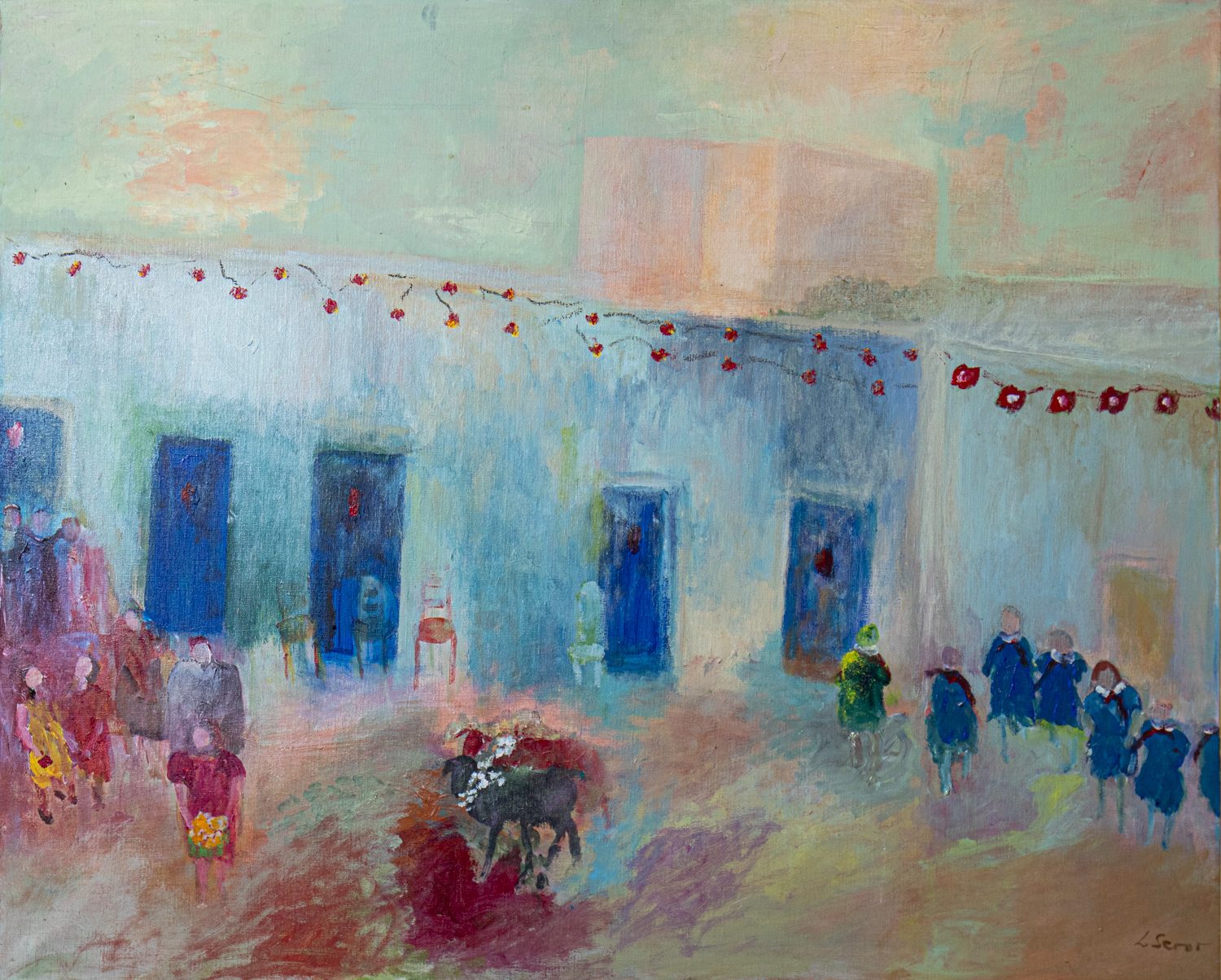
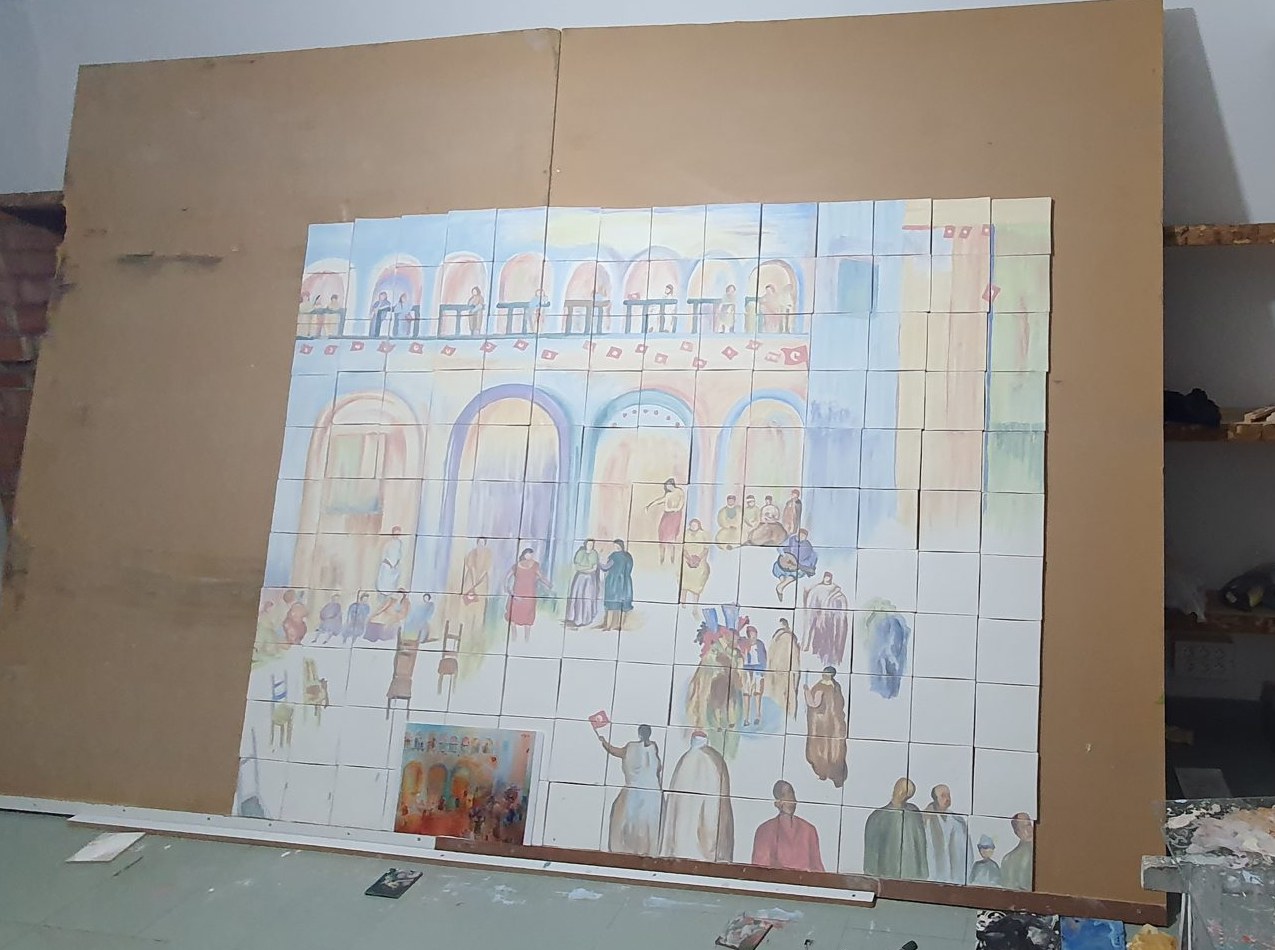
Les Sucrés revive the gestures and rites of a shared Tunisia. Then the guests leave the canvas: the Empty Chairs remain, and the question that will never leave her, “Where is our place?”. With Crossing, matter itself becomes narrative: slashed, scratched, stitched with fragments of the bags of exile. With Neurons, the gaze turns inward, to where memory is inscribed and handed down. With Matter, at last, everything is rebuilt: charcoal, thatch, pigments and papers become a land of one's own.
Abraham, the absent father
Lisa Seror summons the figure of Abraham, common ancestor of the Jewish, Christian and Muslim traditions. In her works, he often appears through his absence. A powerful metaphor: what happens when those who share the same father, the same land, stop recognising one another as family? Despite divisions, the roots remain shared. And art, sometimes, reopens what history has closed.
“I seek to weave memory, to reconnect what has been separated: places, times, voices.”
Lisa Seror
A work without borders
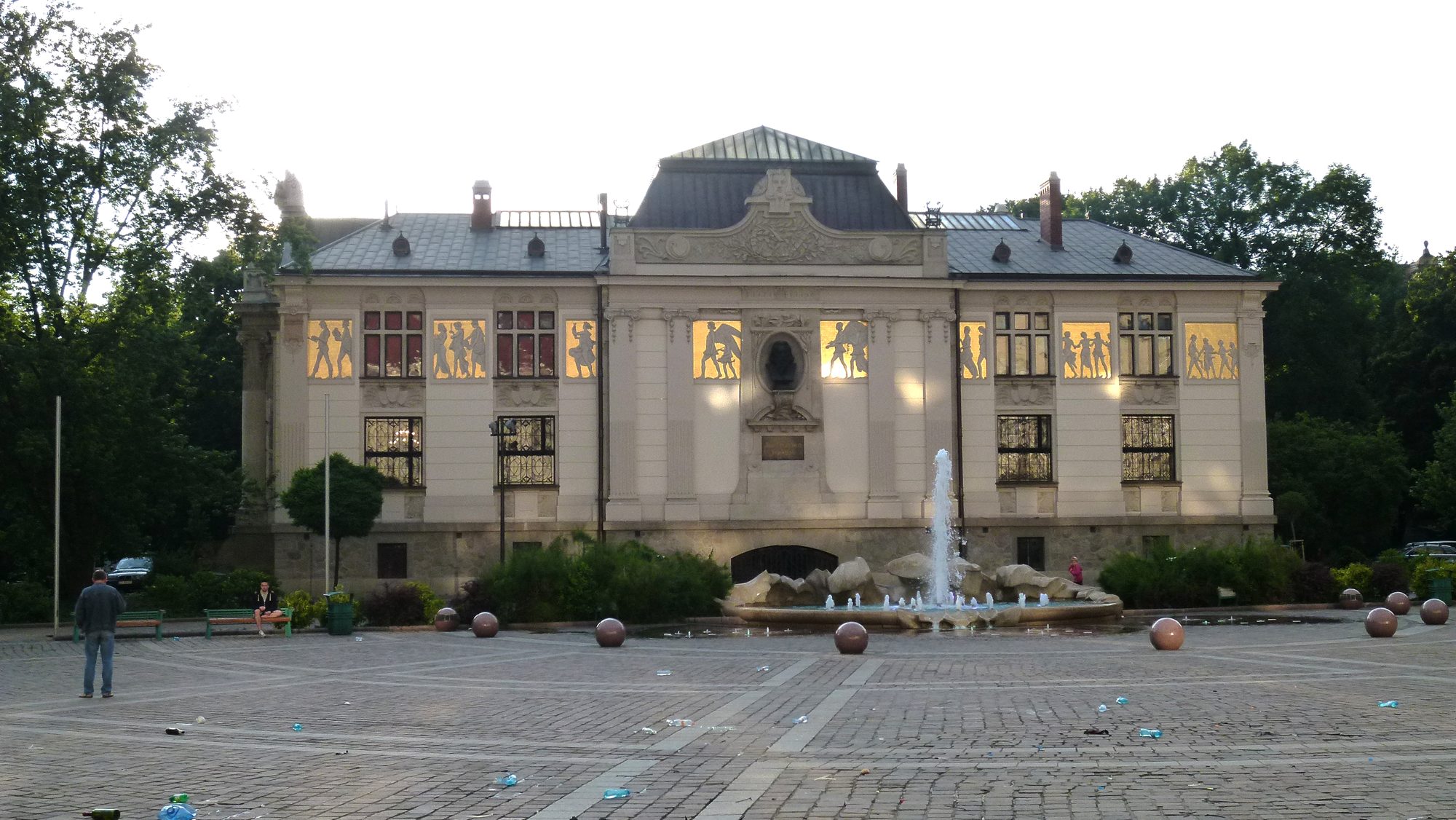
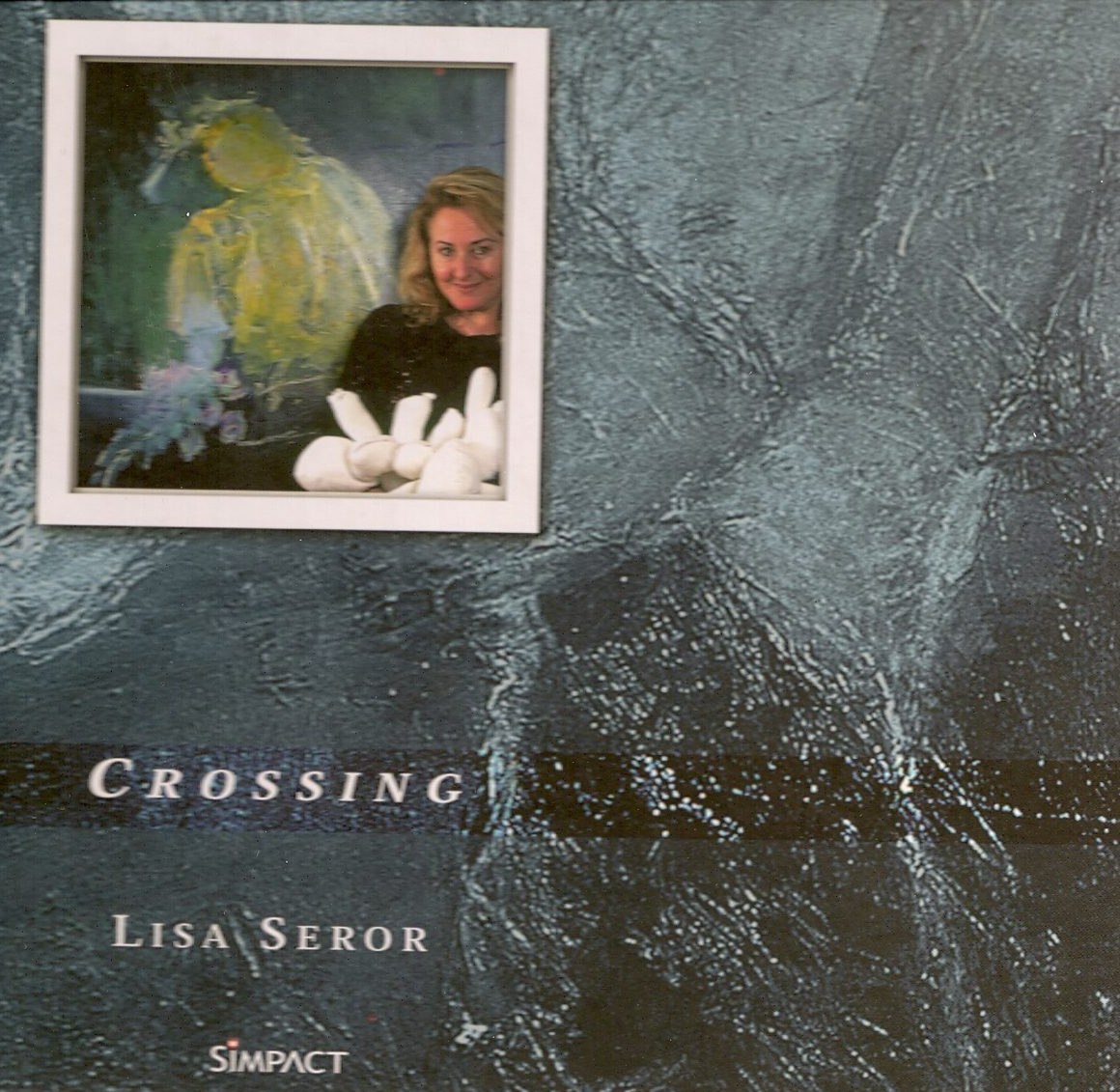
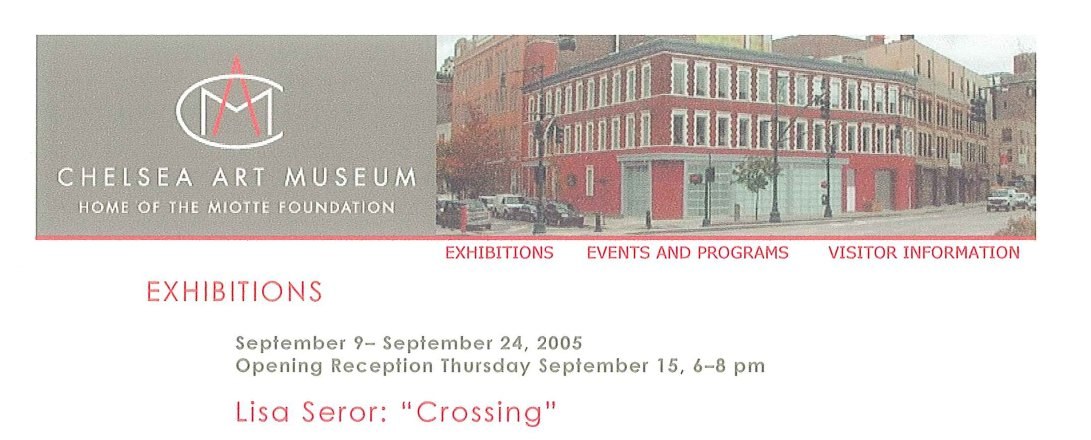
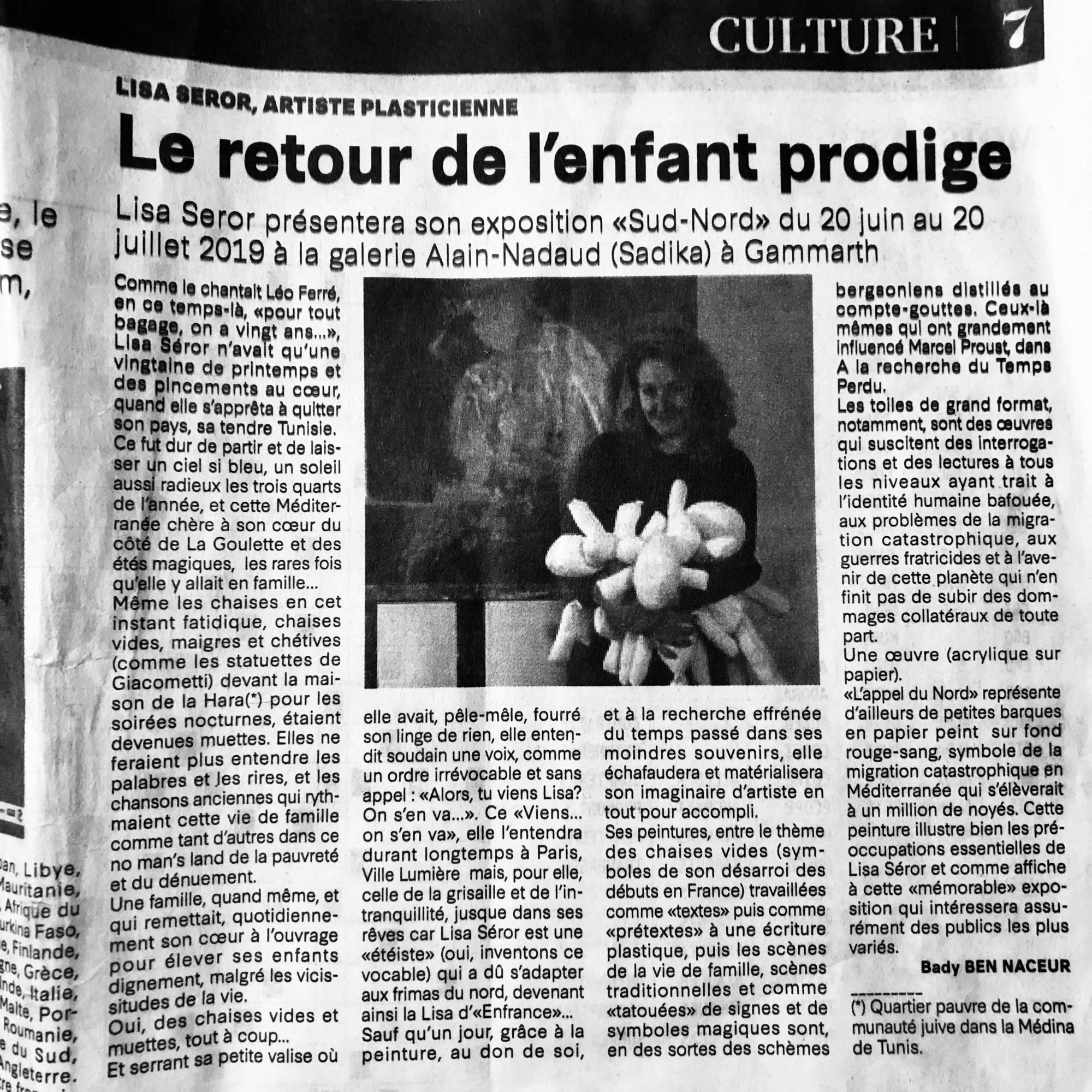
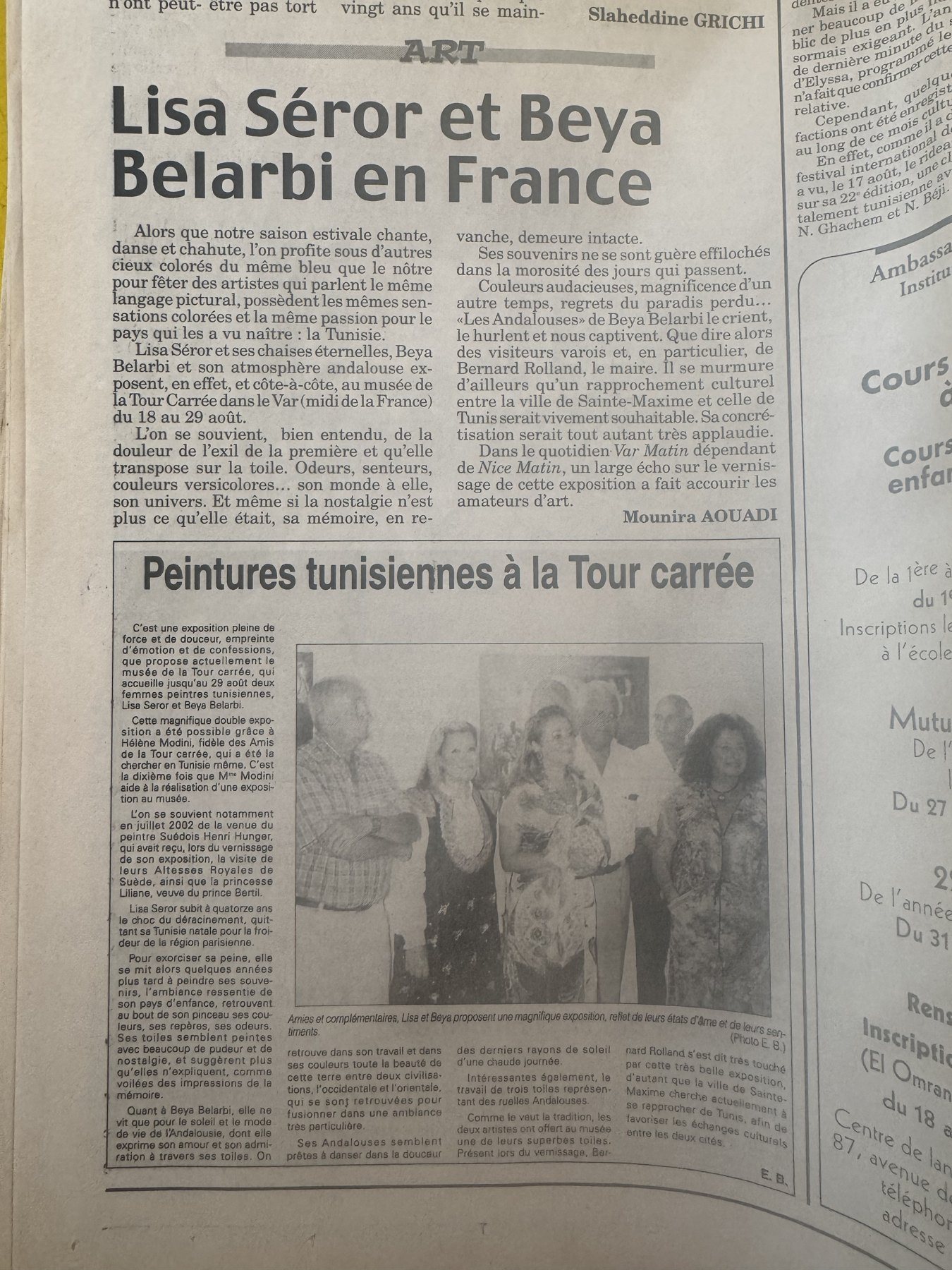
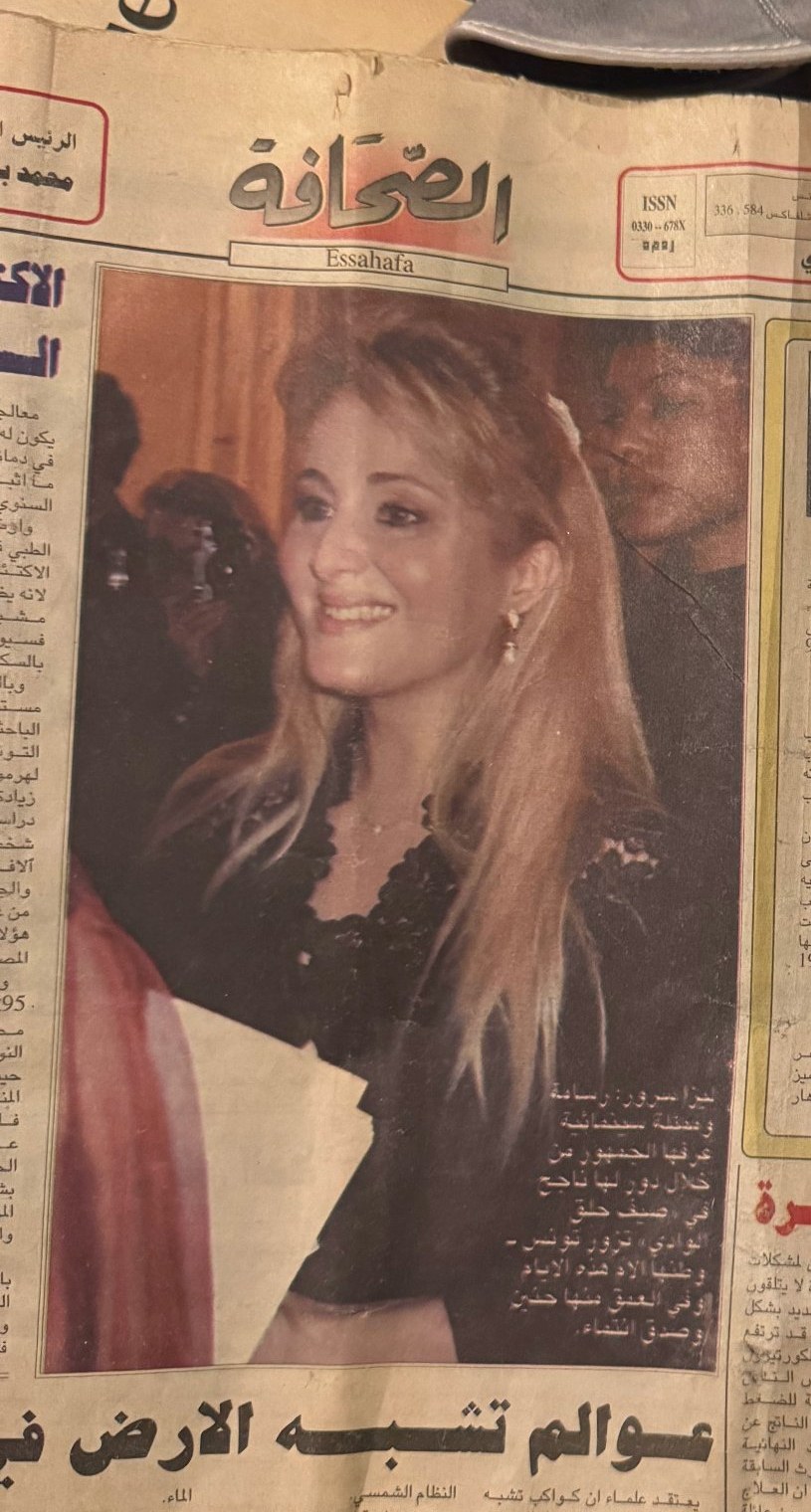
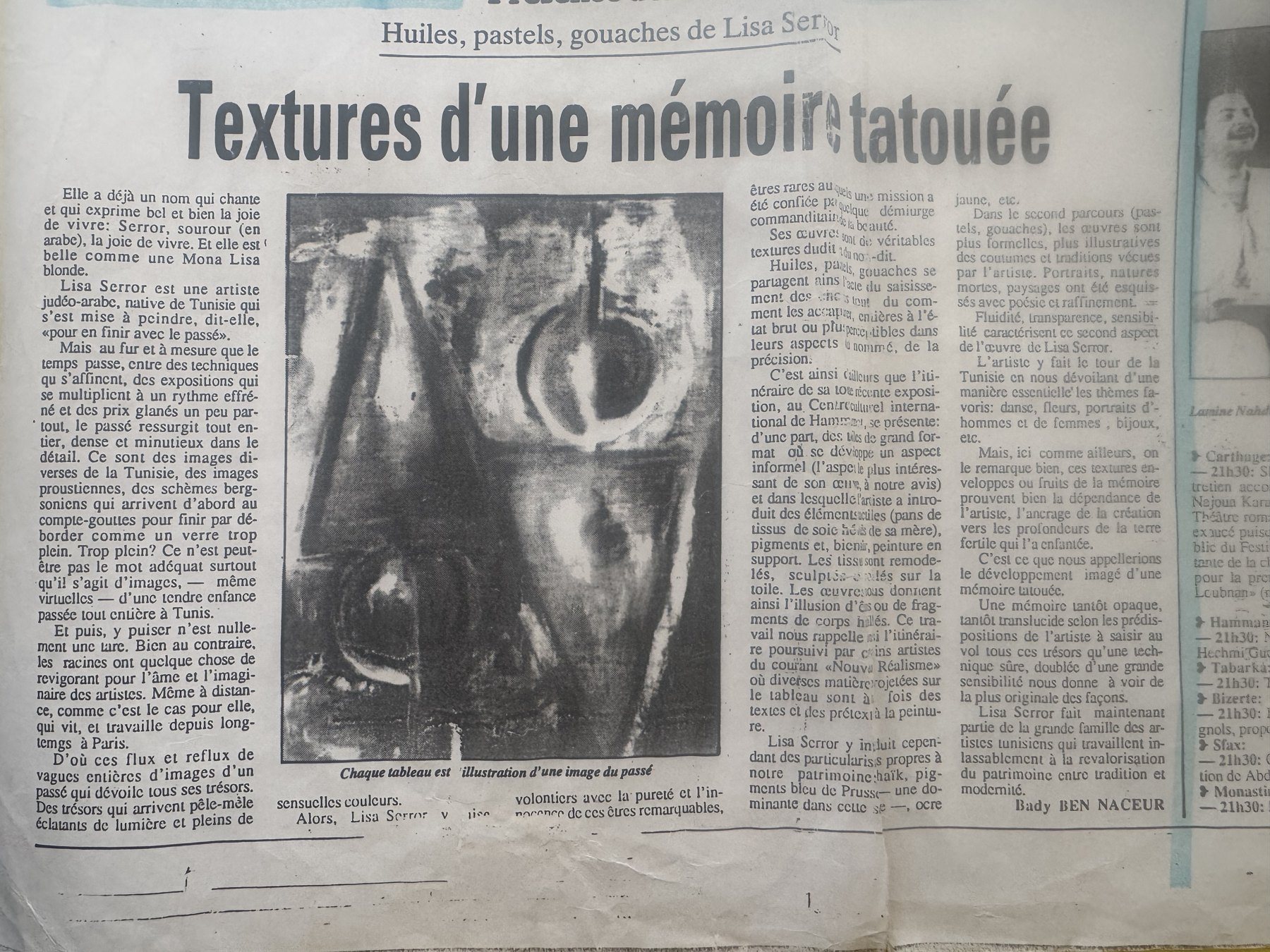
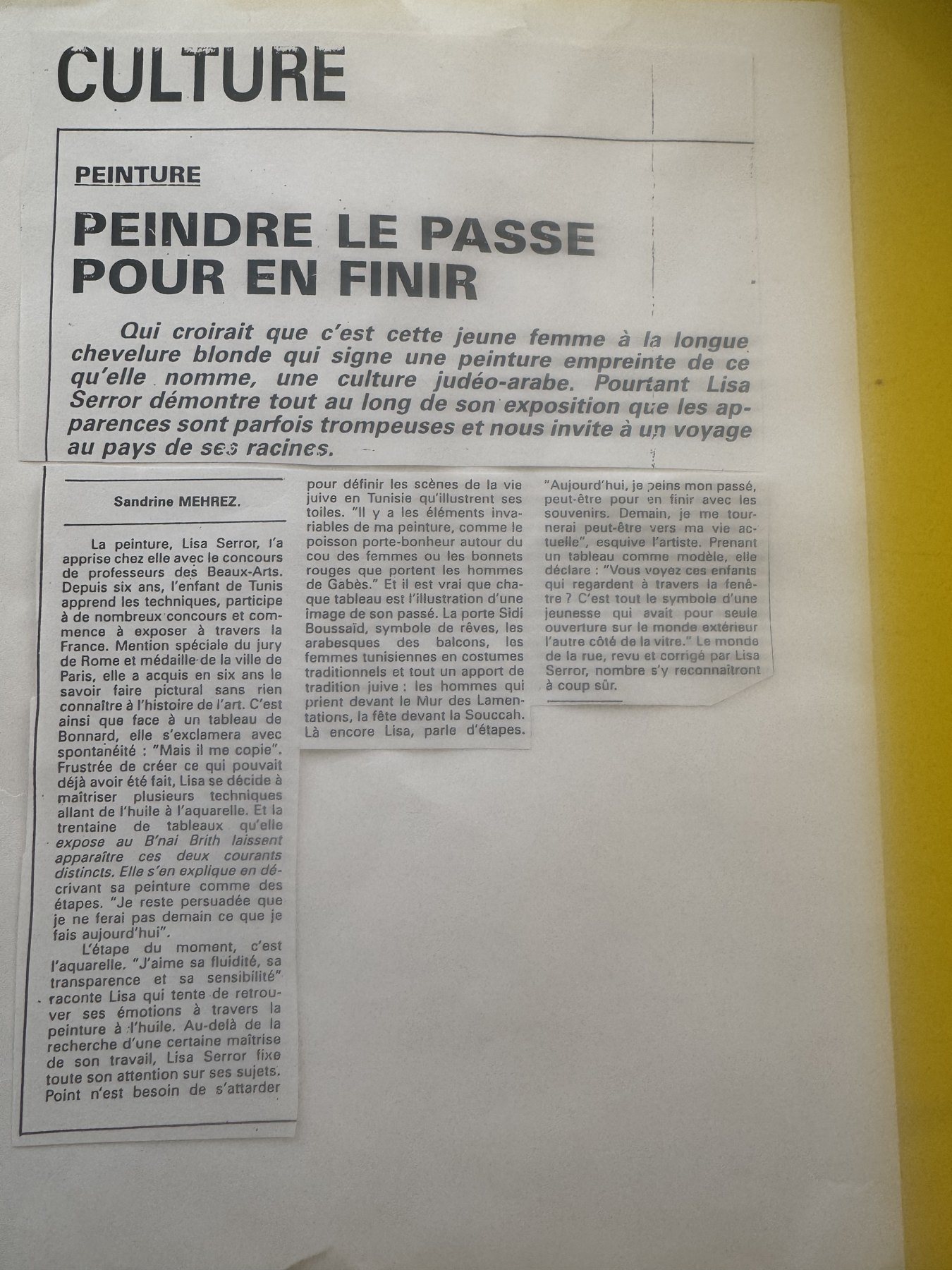
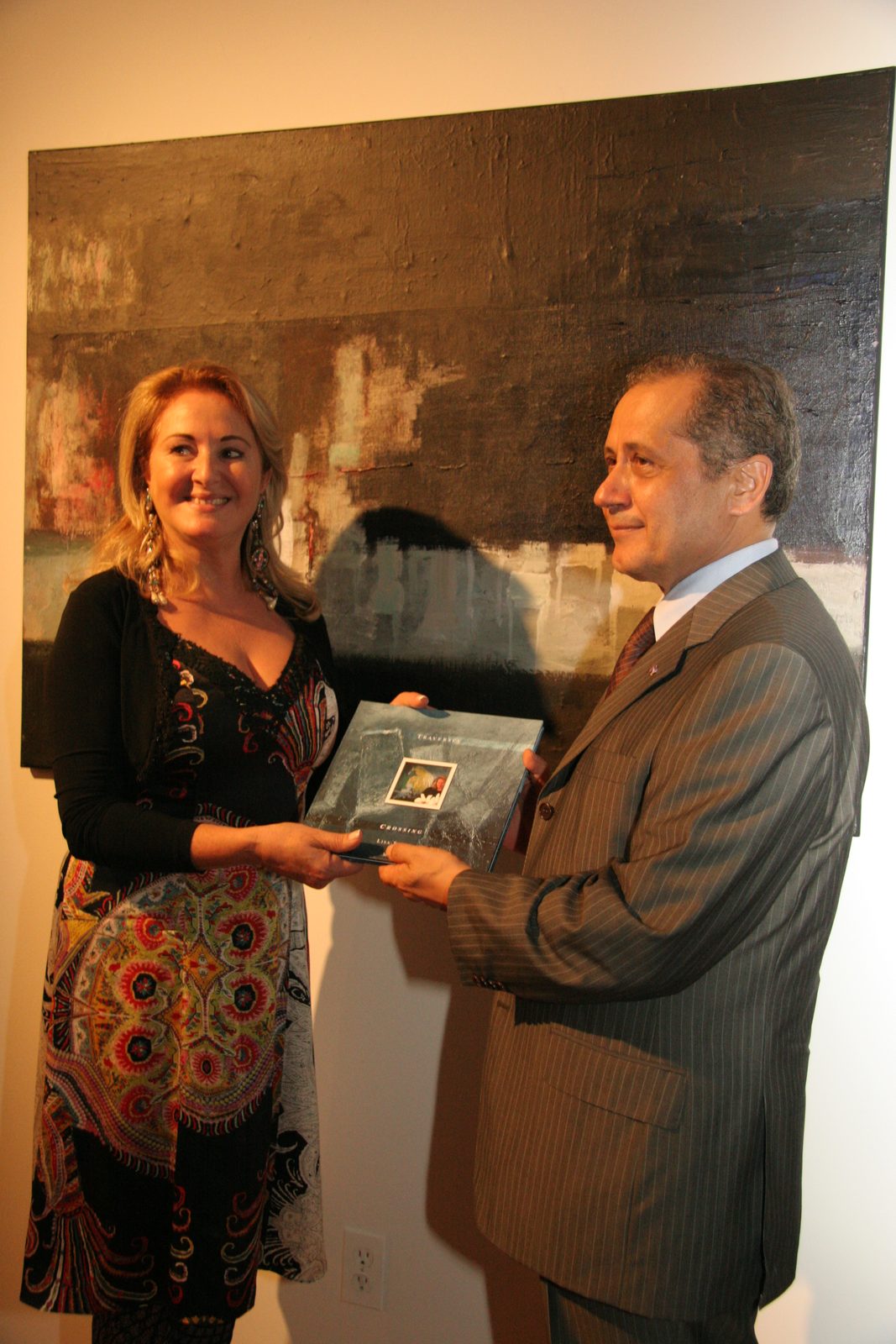
Her work has been shown at the Chelsea Art Museum in New York, the Palace of Art in Krakow, the Haifa Museum of Art, the Museo Civico in Gibellina, the Grand Palais and the Carrousel du Louvre, and in the Daniel Besseiche and Sol Hand galleries in Paris. Cinema crosses her path: Emil Weiss and Karin Albou devote films to her, Férid Boughedir casts her in Un été à La Goulette (A Summer in La Goulette), and writer Bady Ben Naceur dedicates the book Traversée / The Crossing to her.
Djerba, The Bond
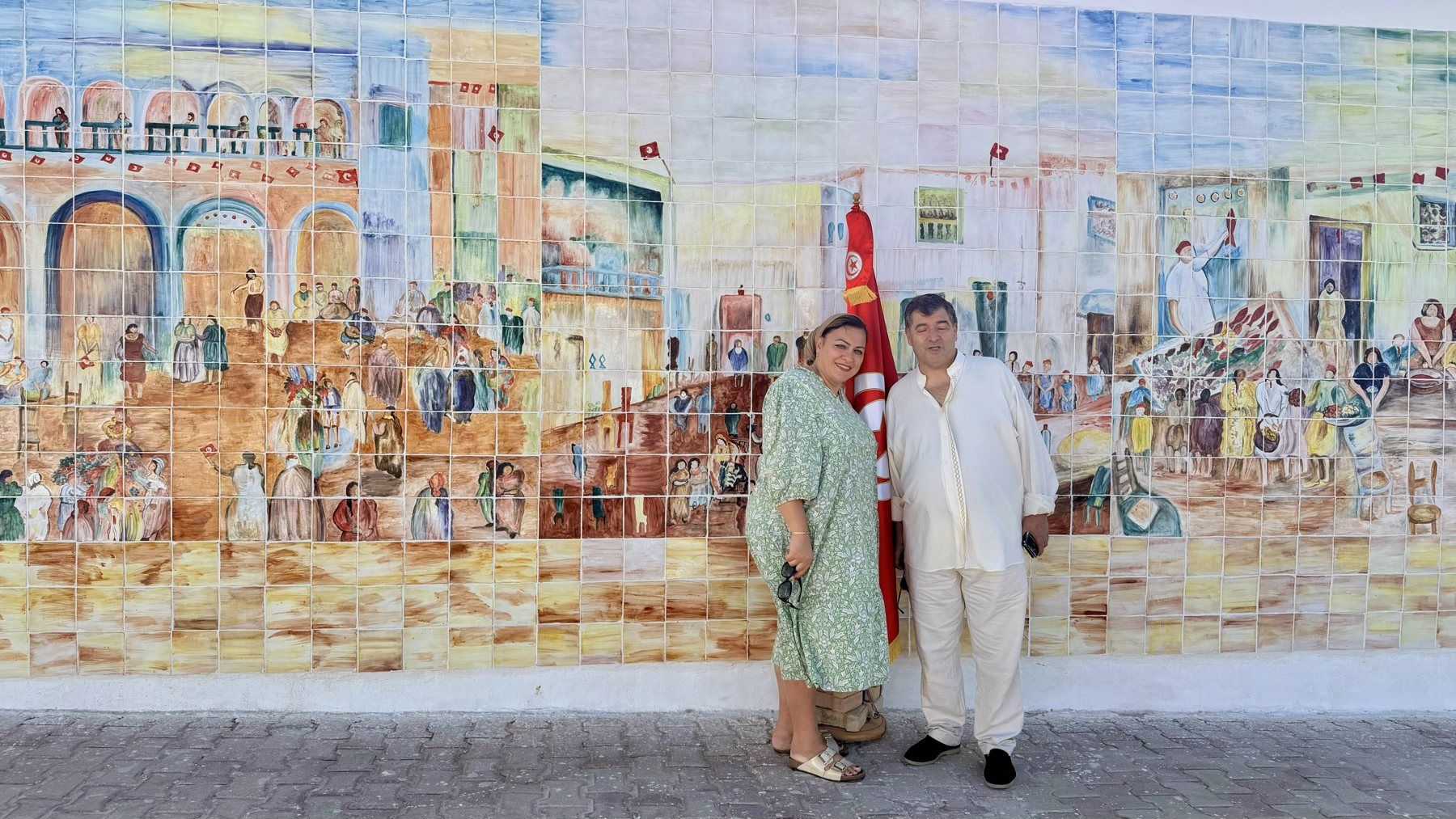
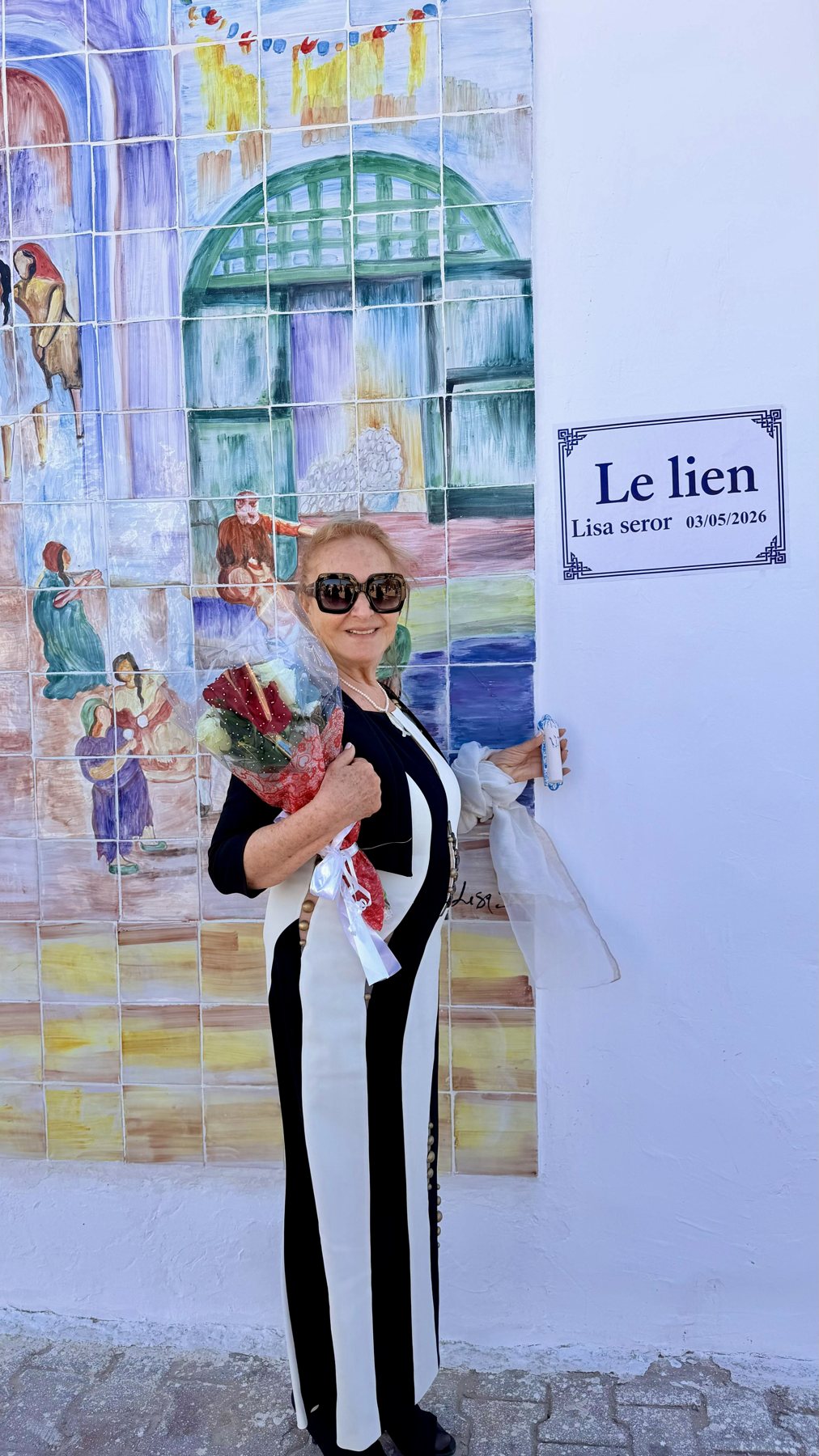
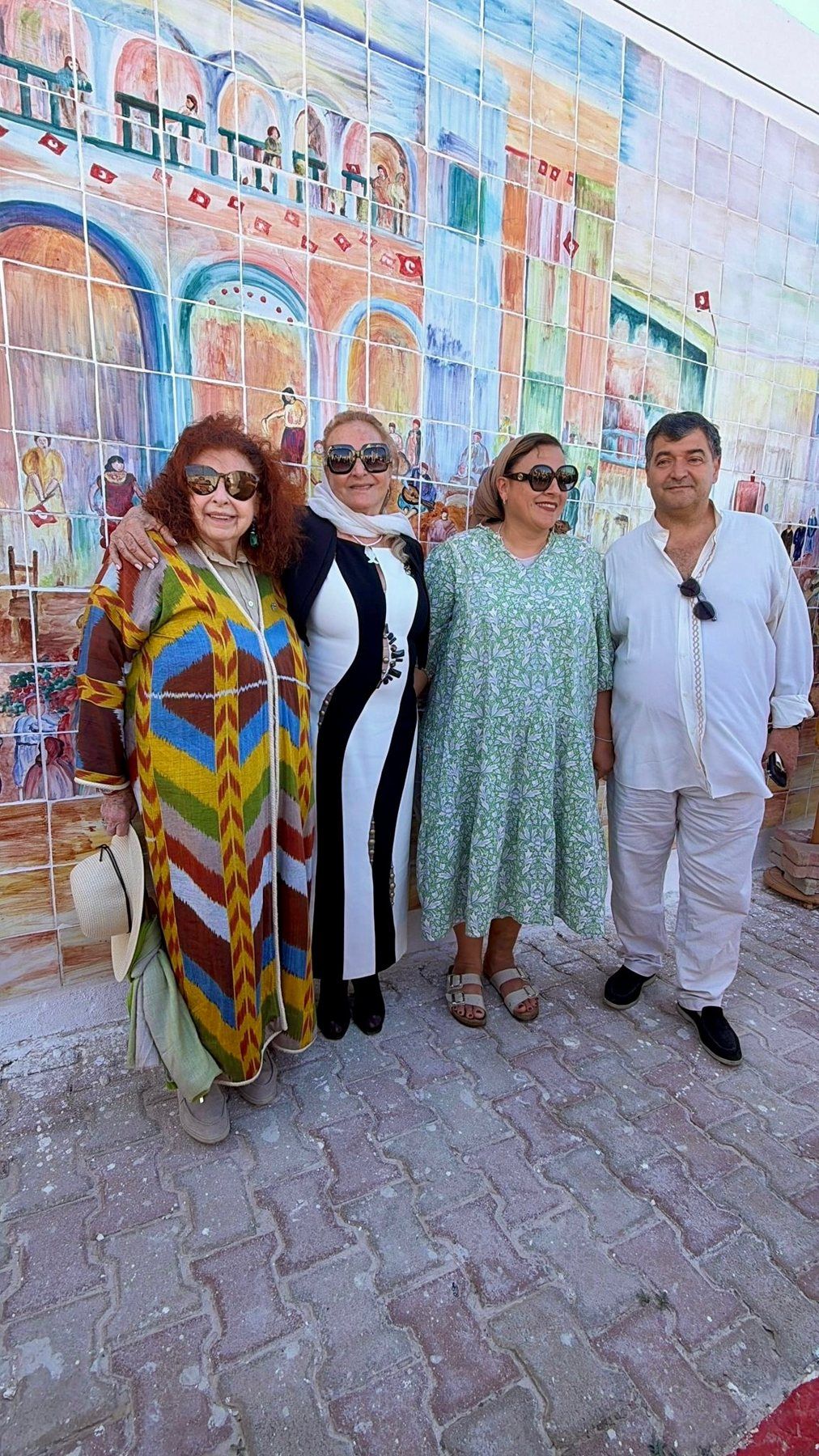
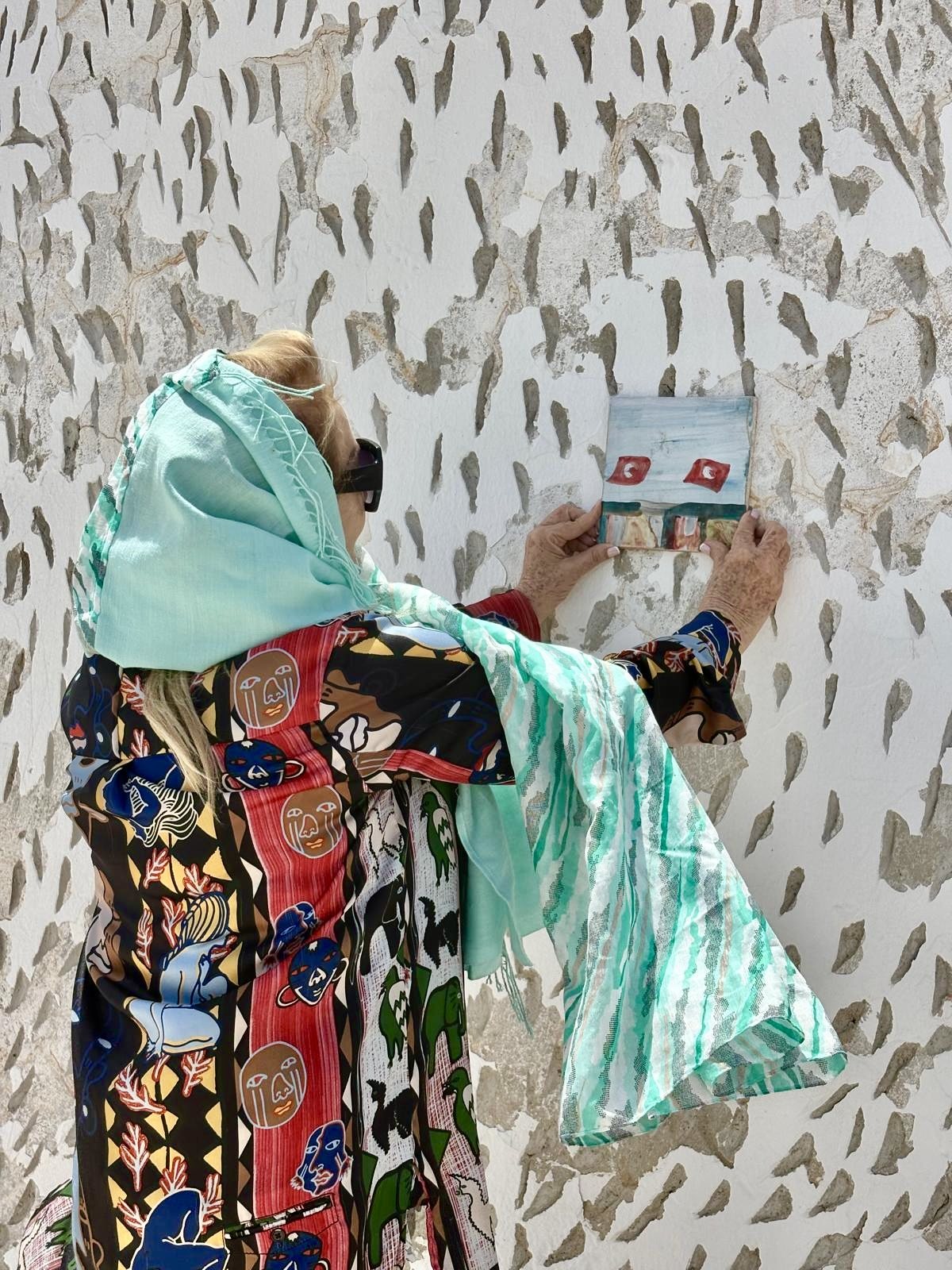
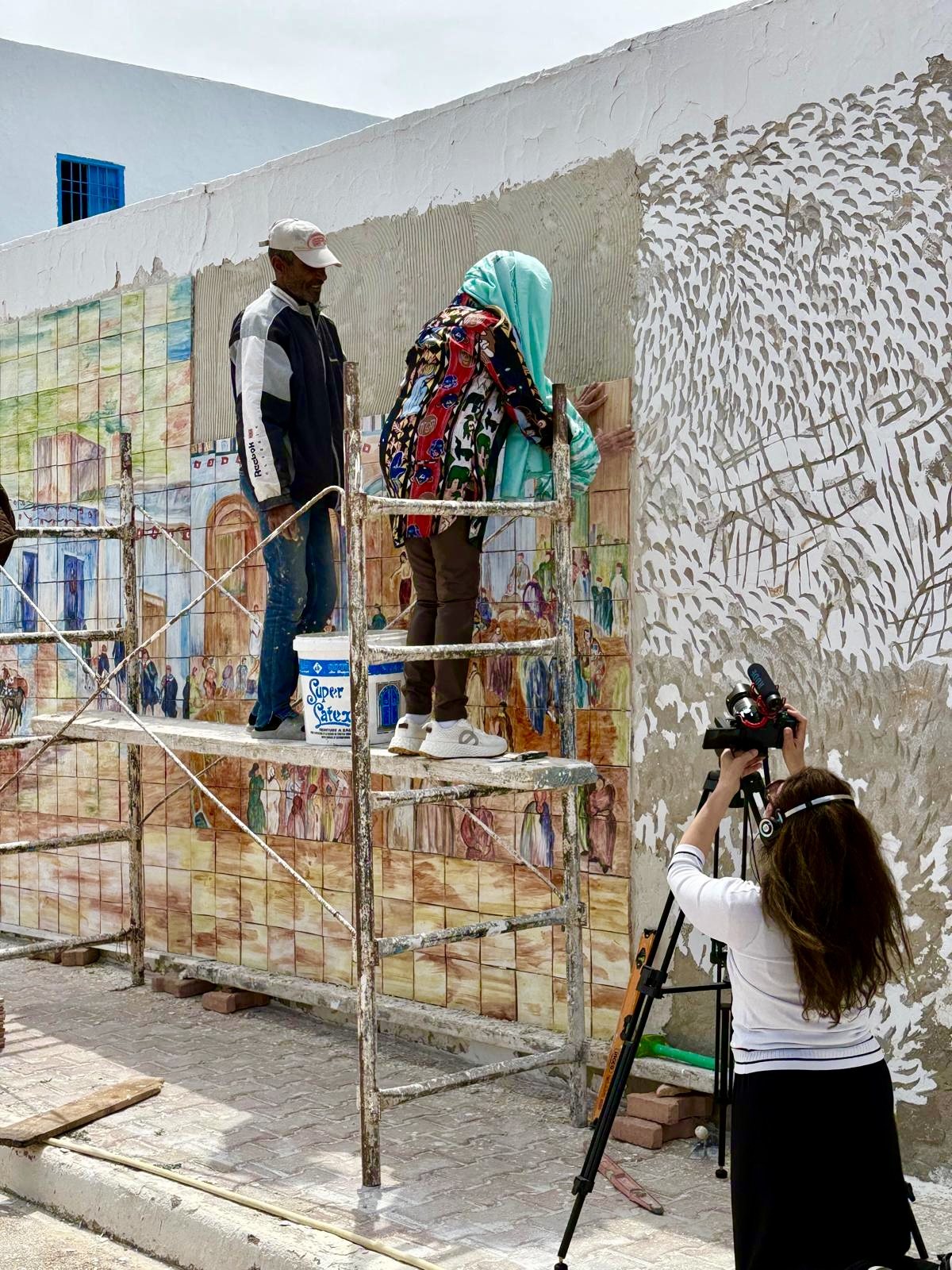
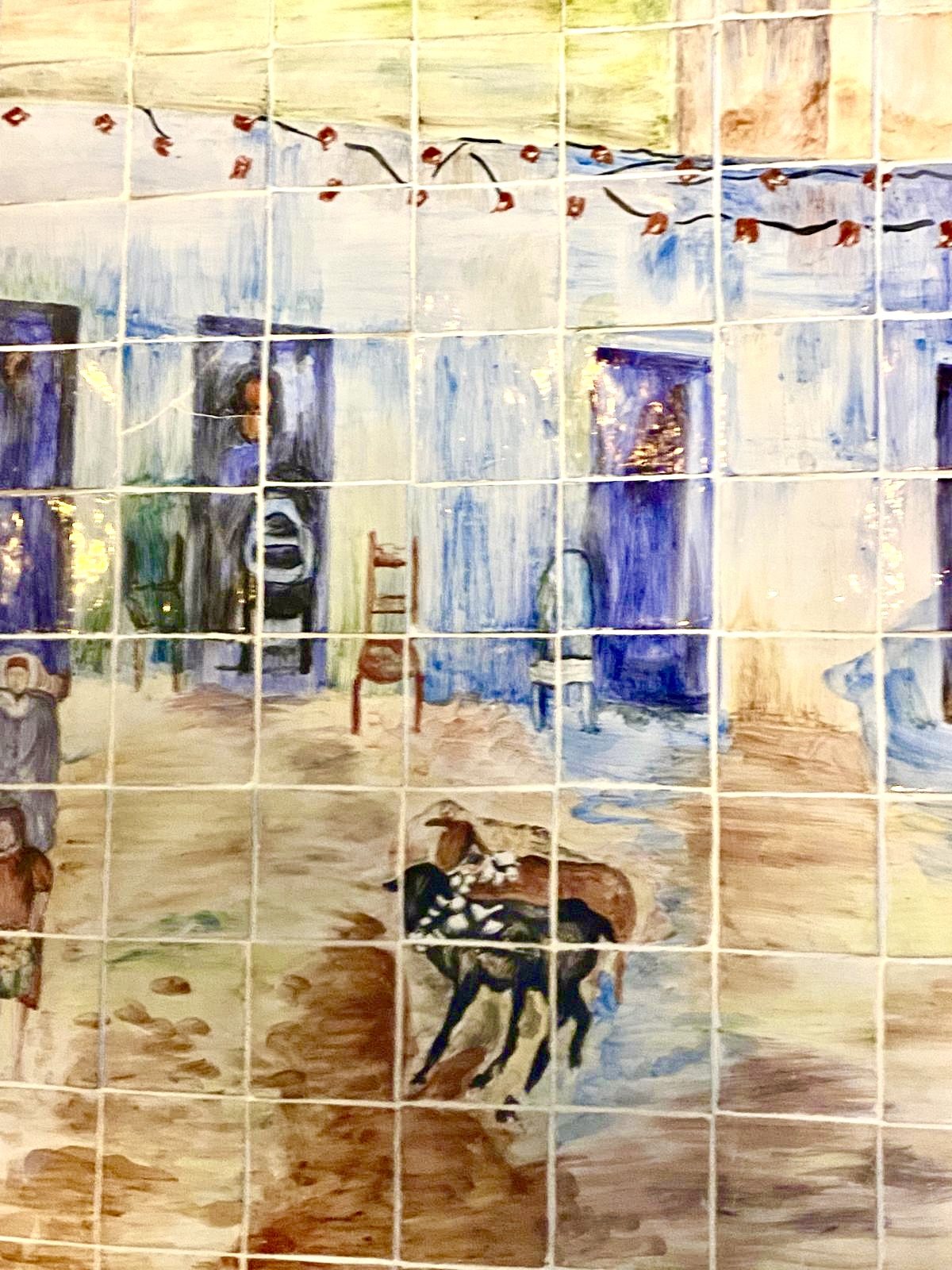
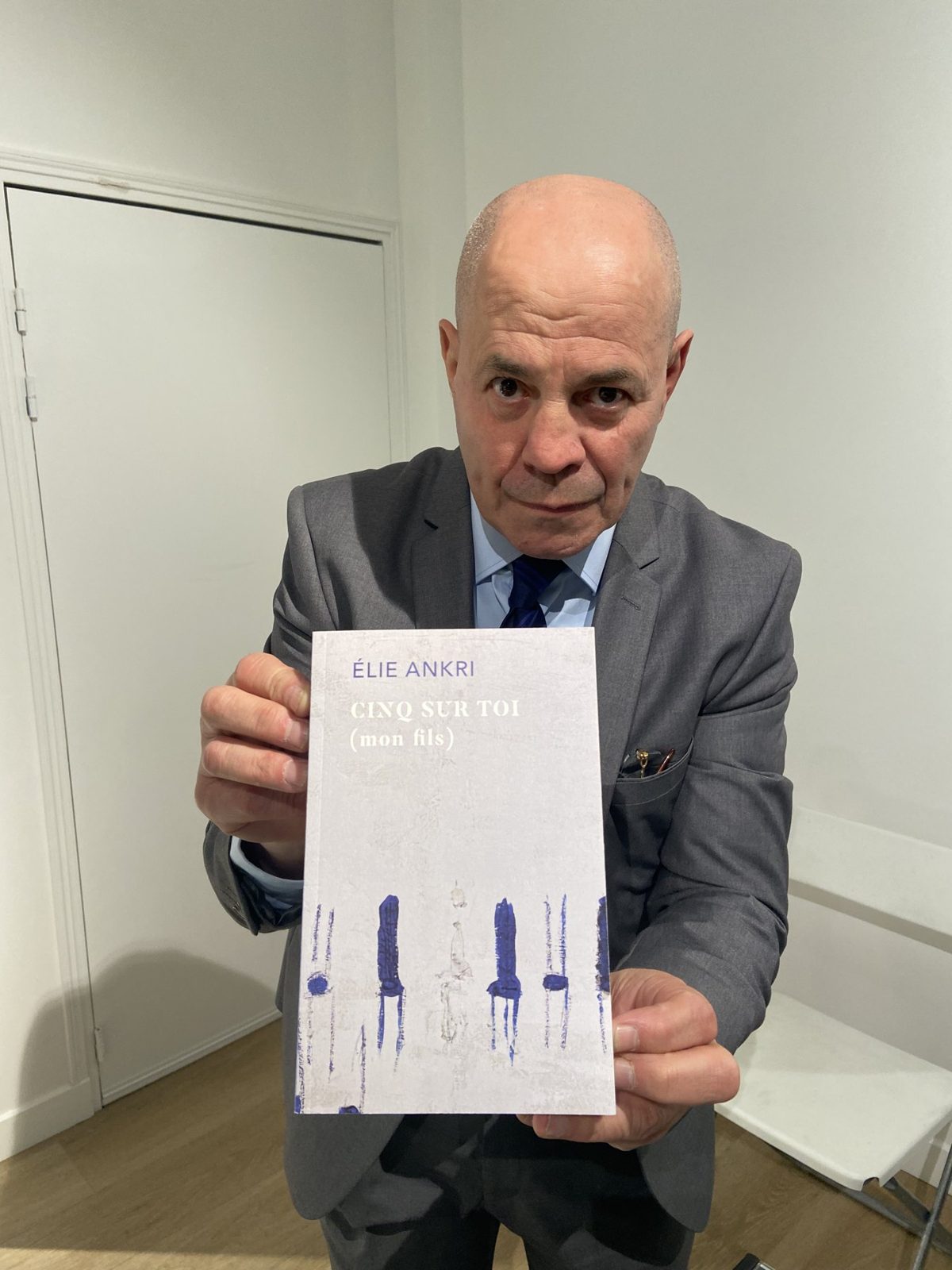
On 3 May 2026, in front of the arcades of the Ghriba, a synagogue inscribed on the UNESCO World Heritage List, Le Lien was inaugurated: a painted ceramic fresco bringing together several works from the Les Sucrés series. The festive scenes return to the land that saw them born.
“She made the canvas her homeland, and painting her platform.”
Karen Seror
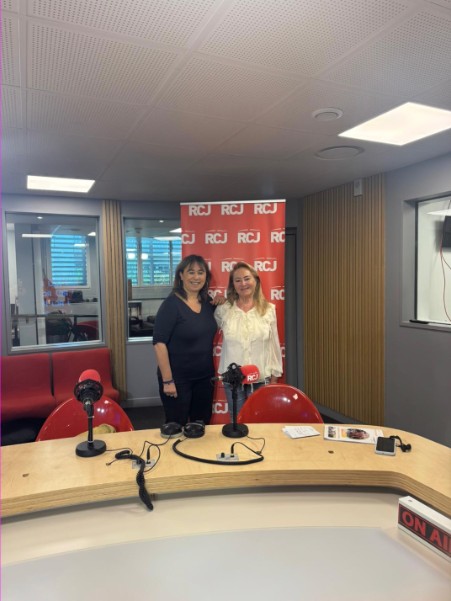
Lisa Seror lives and works in Paris.